
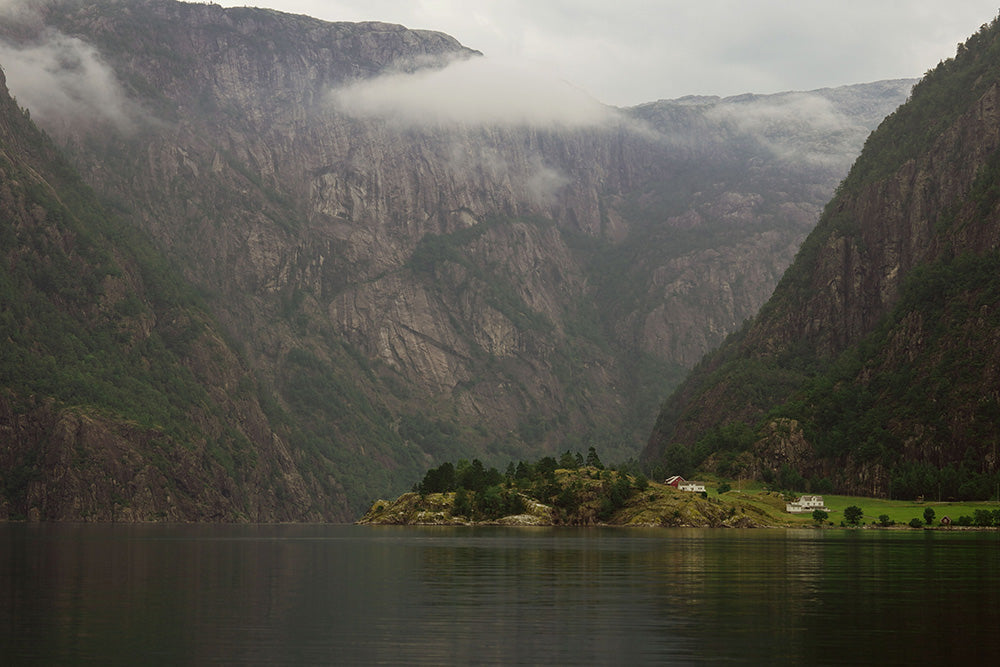
Norway is ideal for a roof-tent trip. Fjords, mountains, waterfalls, coastal roads, plateaus, and spectacular viewpoints make almost every stage an experience. Anyone who travels through Norway with a roof tent will quickly understand why the country is at the top of the list for many outdoor enthusiasts.
At the same time, Norway is not a country where you can simply stop your car and camp anywhere. The Norwegian "Everyman's Right" (Allemannsretten) grants travelers many freedoms, but clearly distinguishes between respectful stay in nature and the handling of vehicles.
Especially with a roof tent, it is therefore important: Not only is staying overnight important, but above all, the parking spot for your car. In this article, you will learn about the rules for wild camping in Norway and what you should pay attention to with a roof tent, camper van, or motorhome.
Is wild camping with a roof tent allowed in Norway?
Wild camping in Norway is permitted under certain conditions. This applies primarily to simple tent overnight stays on uncultivated land. You must keep at least 150 meters away from inhabited houses or cabins and, without permission, may usually not stay longer than two nights in the same spot.
With a roof tent, things are a little different. Your tent is not on the ground, but on your vehicle. Therefore, you must first check whether your car can legally stand in that location.
This means:
- You are not allowed to drive off-road.
- You are not allowed to drive on meadows, fields, beaches, or sensitive natural areas.
- You are not allowed to block pull-outs, private roads, or driveways.
- You must observe local signs and parking restrictions.
- Especially in popular regions, you should show consideration for residents, farmers, and other travelers.
In short: Norway is very roof-tent friendly, but not rule-free.

The Norwegian Everyman's Right explained simply
The Norwegian Everyman's Right allows access to nature as long as you are considerate. You can hike, spend time in nature, and under certain conditions, also camp.
The following rules are particularly important:
- Keep at least 150 meters away from inhabited houses or cabins.
- Do not stay longer than two nights in the same spot, except in very remote areas.
- Leave no trash behind.
- Do not damage nature.
- Show consideration for animals, agriculture, and other people.
- Do not use private or cultivated areas.
- Observe local restrictions.
For roof tent travelers, another point applies: The vehicle must be legally parked. The Everyman's Right does not make a meadow, beach, or field an allowed parking space.
Roof tent in Norway: Parking, free-standing, or camping?
With a roof tent, the line between parking and camping often blurs. This is exactly what is important in Norway.
Parking means:
You park your vehicle in an allowed area without setting up a large camp.
Free-standing means:
You spend the night away from traditional campsites, for example, in an allowed parking lot or pitch.
Camping means:
You open your roof tent, set up chairs and a table, cook outside, or use an awning.
The more visible your camping setup is, the more problematic it can become if you are not on an official pitch or campsite. Especially in Norway, you should avoid pull-outs and narrow road shoulders. They are important for traffic and not intended as overnight spots.
Where can you stay overnight with a roof tent in Norway?
Suitable places are primarily those where parking is allowed and no signs prohibit overnight stays or camping.
Possible options include:
- Official pitches
- Campsites in natural settings
- Designated parking lots without overnight restrictions
- Rest areas, provided there are no restrictions
- Private pitches with permission
- Farms or natural areas
- Nature-oriented campsites along fjords, lakes, or in mountainous regions
Unsuitable are:
- Pull-outs on narrow roads
- Private roads
- Fields and pastures
- Beaches without permitted access
- Forest and natural areas off the road
- Parking lots with camping bans
- Areas in national parks with specific restrictions
Especially in popular regions like the Lofoten, the Geirangerfjord, or along well-known panoramic roads, you should pay particular attention to signage and local rules.
The 150-meter rule in Norway
One of the most important rules for wild camping in Norway is the distance to inhabited houses and cabins. Your tent should be at least 150 meters away. This rule is especially important for traditional tent camping but also applies to travelers with camper vans, motorhomes, or roof tents.
In practice, this means:
- Do not stand directly next to residential houses.
- Do not stay overnight in front of cabins or holiday homes.
- Do not use driveways or private roads.
- Show consideration for residents.
In narrow fjord valleys or tourist regions, it can be difficult to find enough distance. In such cases, an official pitch is usually the better solution.
How long can you wild camp in Norway?
Without explicit permission, you should generally not stay longer than two nights in the same spot. In very remote mountainous regions or far from settlements, a longer stay may be possible, as long as you do not disturb anyone and cause no damage.
However, for roof tent travelers, it usually makes sense to continue driving daily anyway. Norway is a classic road trip country, and many of the most beautiful experiences happen on the way.
Beautiful regions for roof-tent trips in Norway
The following regions are not specific wild camping spots, but rather inspiration for your route planning. Always check on-site where you can legally park and open your roof tent.
Fjord Norway
Fjord Norway is one of Europe's most impressive regions. Sognefjord, Hardangerfjord, and Geirangerfjord offer spectacular landscapes, waterfalls, and panoramic roads. Since many places are very popular, you should pay particular attention to official pitches there.

Lofoten
The Lofoten Islands are a dream destination for many roof tent travelers. Mountains, beaches, and small fishing villages make the archipelago unique. At the same time, the region is heavily visited. Consideration, legal parking spots, and good timing are particularly important here.
Senja
Senja is a good alternative to the Lofoten Islands. The landscape is dramatic, but often a bit quieter. For roof tent road trips, the island is ideal if you want to combine nature, coast, and mountains.
Rondane
Rondane is perfect for anyone seeking mountain landscapes, hikes, and quieter roads. The region is a good change of pace from the frequently visited fjord regions.
Hardangervidda
The Hardangervidda is a vast high plateau with a special wilderness feel. The weather can change quickly there, which is why good equipment and preparation are important.

Tromsø and Northern Norway
Northern Norway offers long summer days, midnight sun, and vast landscapes. With a roof tent, the region is impressive, but distances are long, and the weather can be challenging.
Is wild camping in Norway dangerous?
Wild camping in Norway is generally not dangerous with good preparation. The challenges lie more in the weather, terrain, and road conditions.
Pay particular attention to:
- Rapid weather changes
- Strong winds on coasts and in mountainous regions
- Cool nights, even in summer
- Risk of rockfalls, landslides, or floods in certain regions
- Narrow roads and pull-outs
- Sheep, reindeer, or wild animals on the road
- Sometimes poor mobile phone reception
With a roof tent, you should also prefer sheltered pitches. Especially at fjords, coasts, and plateaus, wind can be uncomfortable. Park your vehicle as level as possible and check if you can easily get away again in case of rain or poor ground conditions.
Tips for Norway with a roof tent
To ensure your trip remains relaxed, these basic rules will help you:
- Only park your vehicle in allowed areas.
- Never drive off-road.
- Keep at least 150 meters away from houses and cabins.
- Do not use pull-outs as pitches.
- Observe local signs and parking restrictions.
- Do not set up a large camp in normal parking lots.
- Take trash and food scraps with you.
- Pay attention to weather warnings.
- Plan alternatives for popular regions.
- Use official pitches if you are unsure.
Norway thrives on its impressive nature. The more respectfully travelers treat it, the more likely these freedoms will be preserved.
Roof tent equipment for Norway
Norway can be more demanding in terms of weather than many other travel destinations. For a roof tent trip, you should therefore pay particular attention to robust and practical equipment.
Useful items include:
- Weatherproof roof tent
- Off-road recovery gear
- Warm sleeping equipment
- Waterproof clothing
- Good camping lamp or headlamp
- Mosquito repellent for summer regions
- Power bank or autonomous power supply
- Offline maps
- Sufficient water and provisions
- Sturdy transport boxes or organizers
- Robust roof rack
With a suitable roof tent from horntools, you are well prepared for long stages, spontaneous stops, and changing conditions. Especially in Norway, quick setup is a great advantage, as weather and daily plans can often change.

Conclusion: Norway with a roof tent is spectacular, but not limitlessly free
Norway is one of Europe's most beautiful countries for roof tent travel. The landscape is spectacular, the routes are varied, and many places feel like a true adventure.
Nevertheless, remember: With a roof tent, you must always first check if your vehicle is legally parked. The Everyman's Right allows much, but it does not replace parking regulations and does not permit off-road driving. If you keep your distance, leave no trace, and observe local rules, you can experience Norway with a roof tent in a very relaxed and responsible way.
Further articles on wild camping:
Wild camping in Italy
Wild camping in France
Wild camping in Germany
Wild camping in Sweden

Leave a comment
All comments are moderated before being published.
This site is protected by hCaptcha and the hCaptcha Privacy Policy and Terms of Service apply.