


232 products
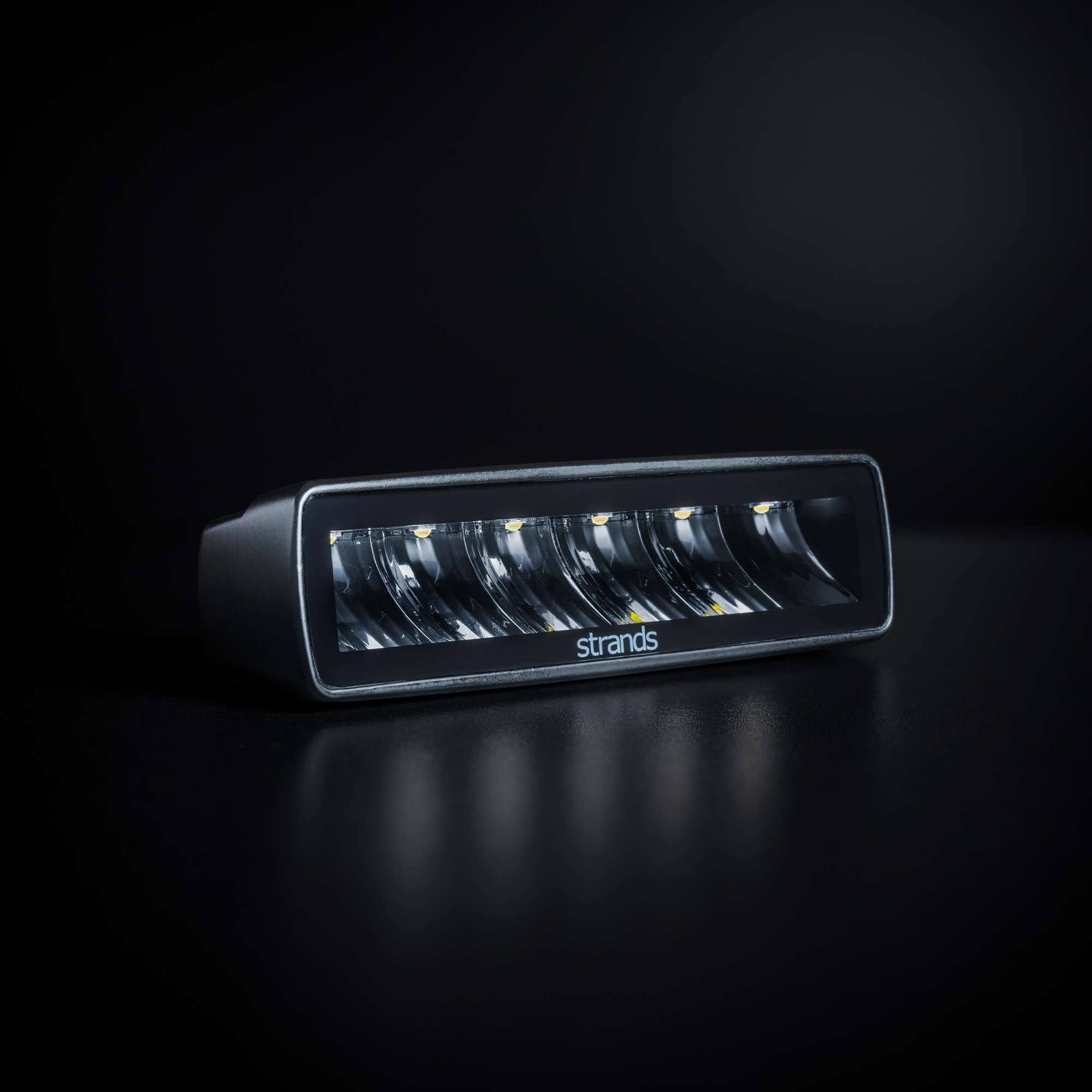
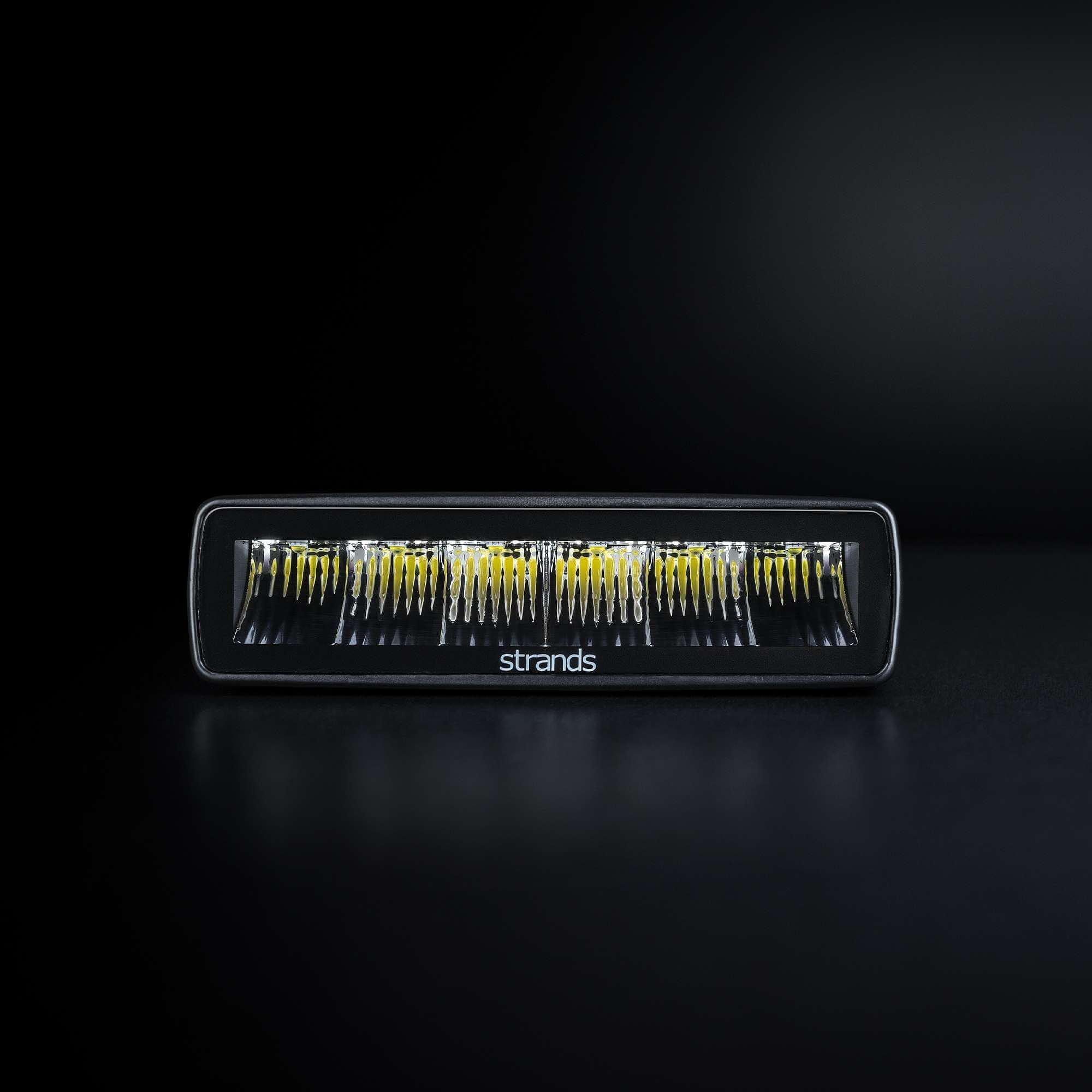
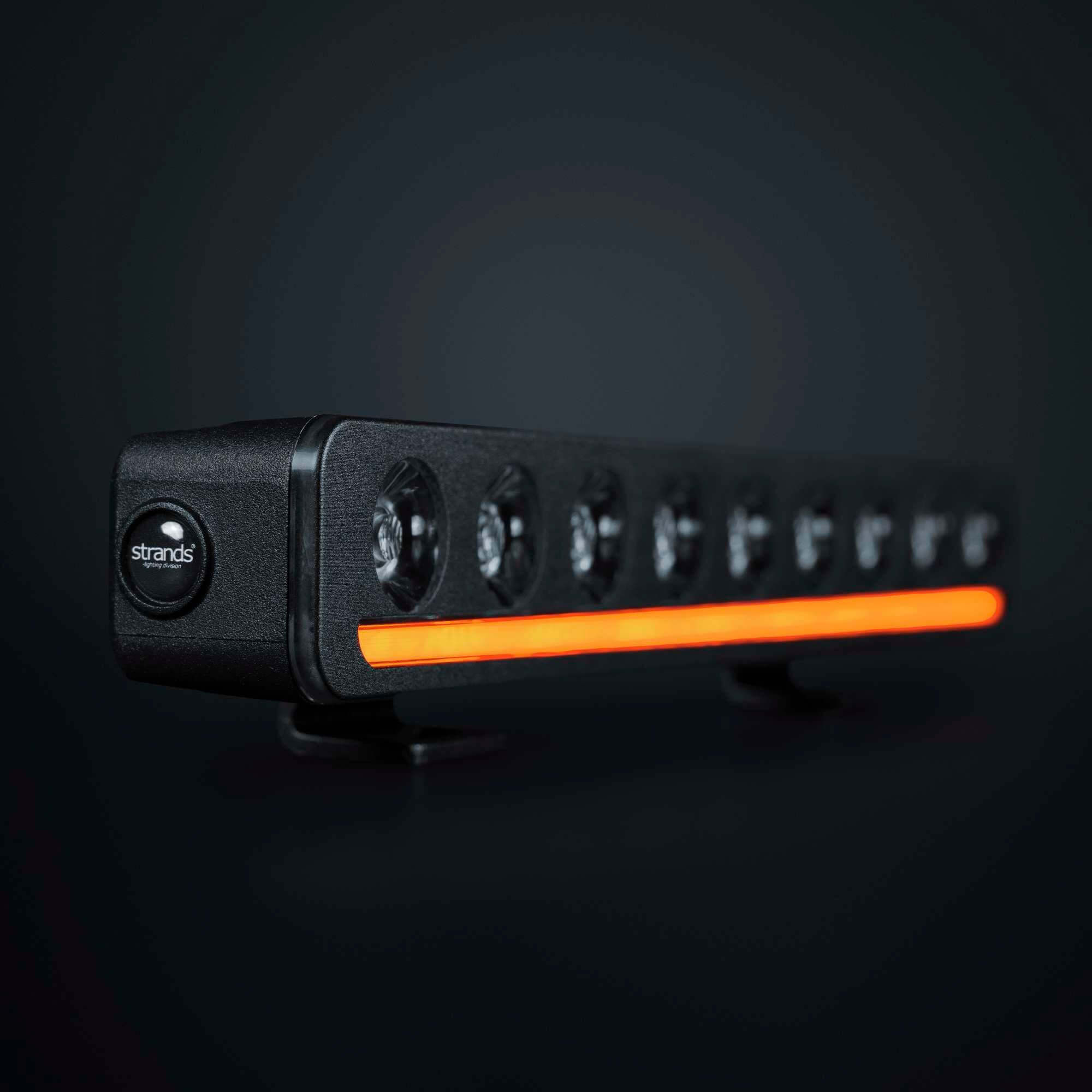
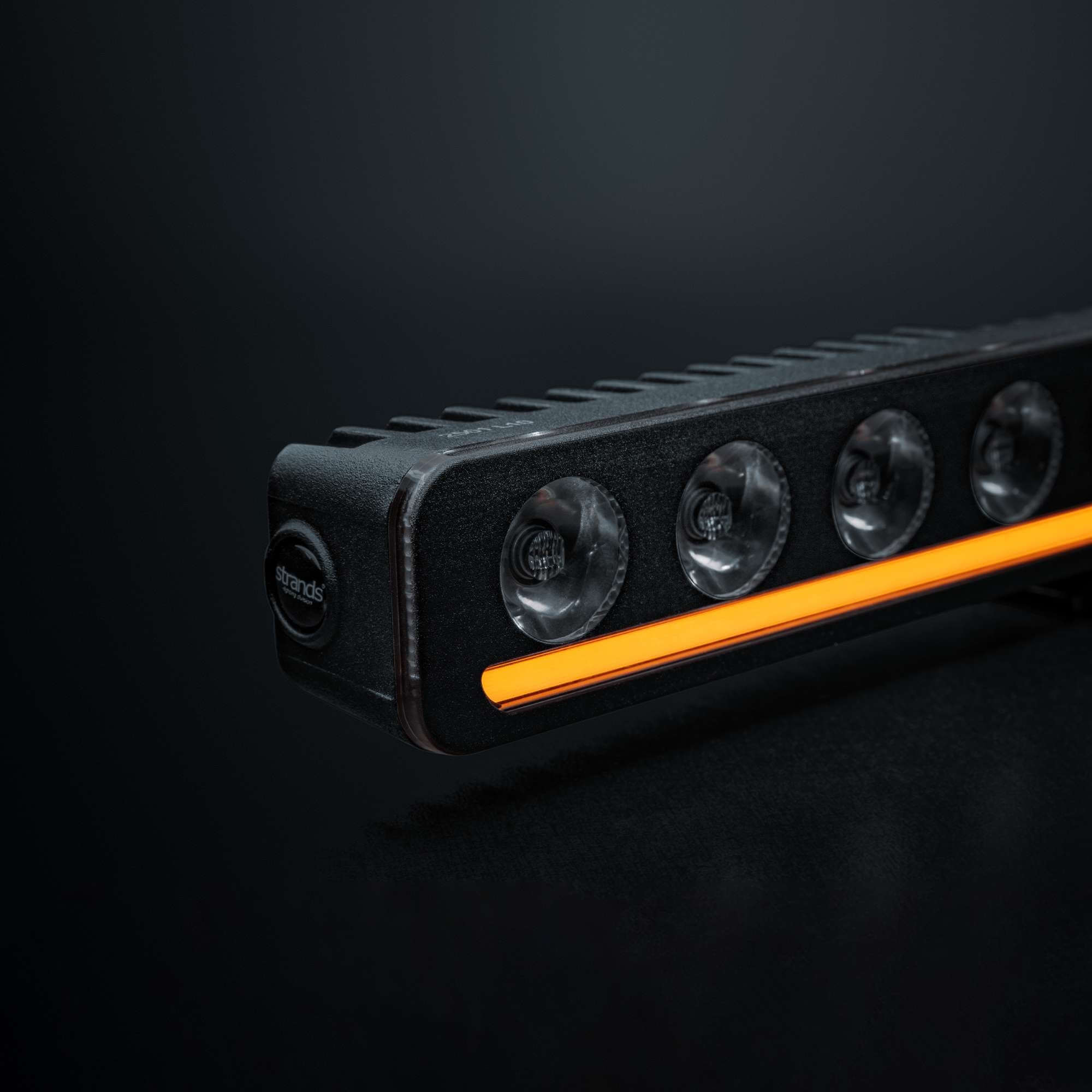
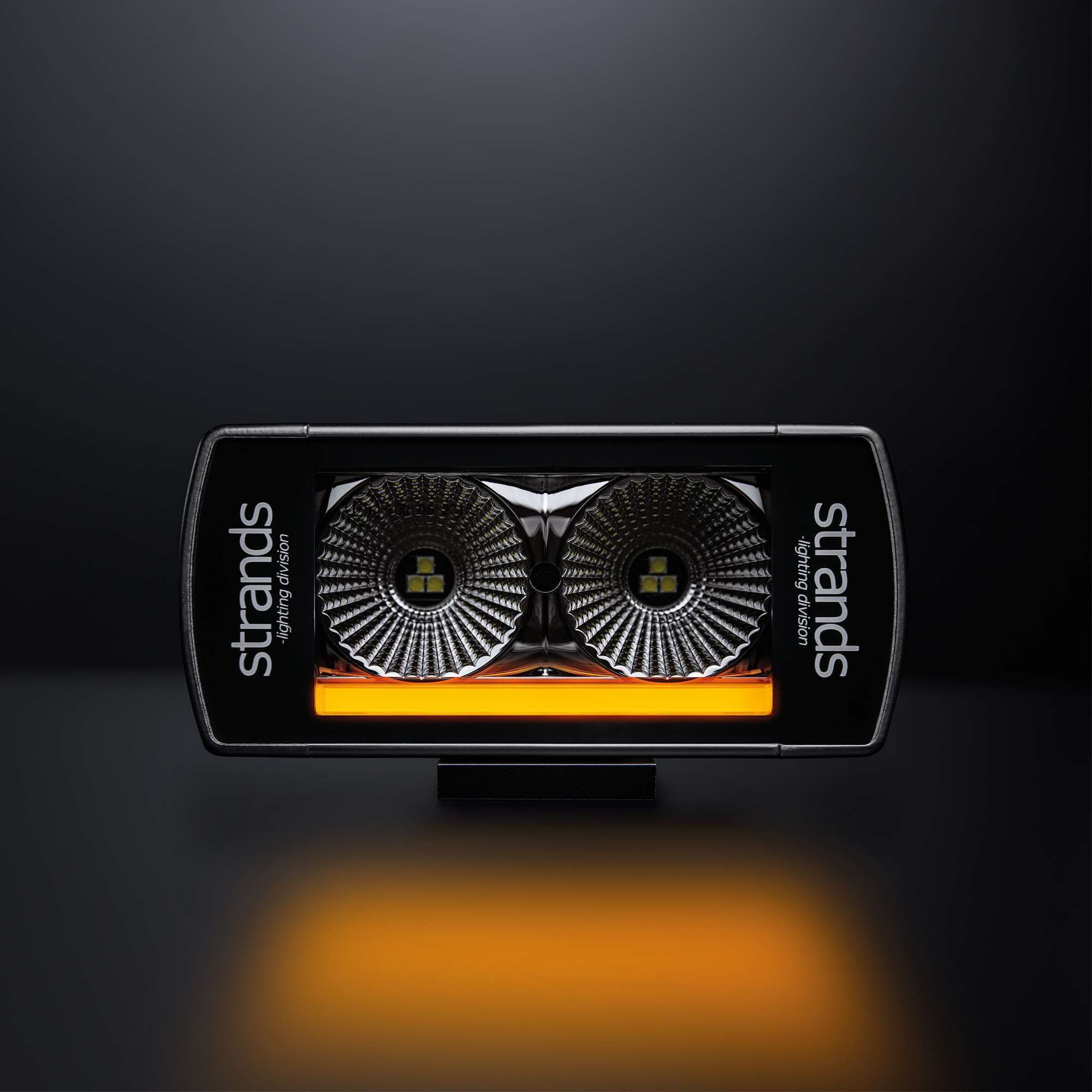
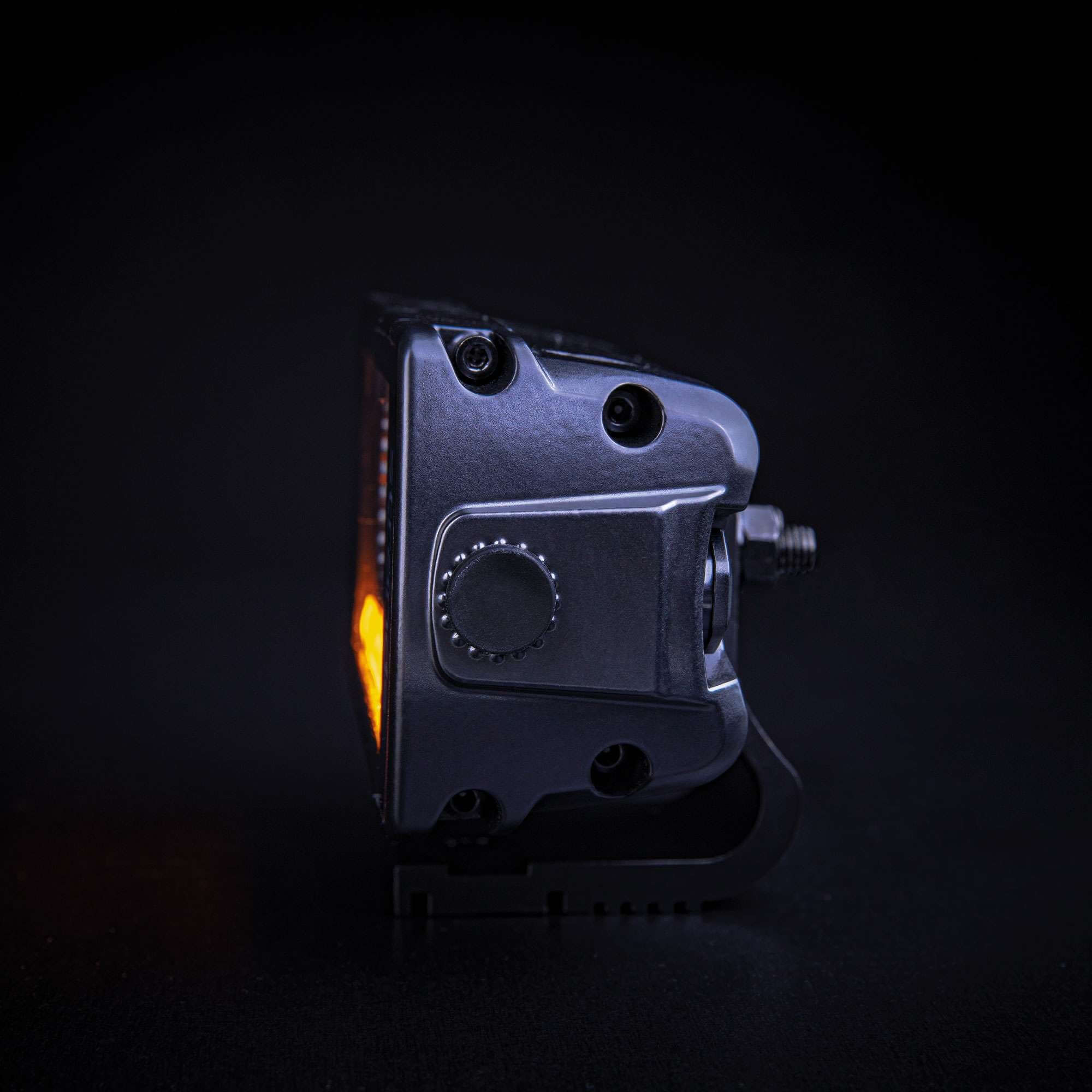
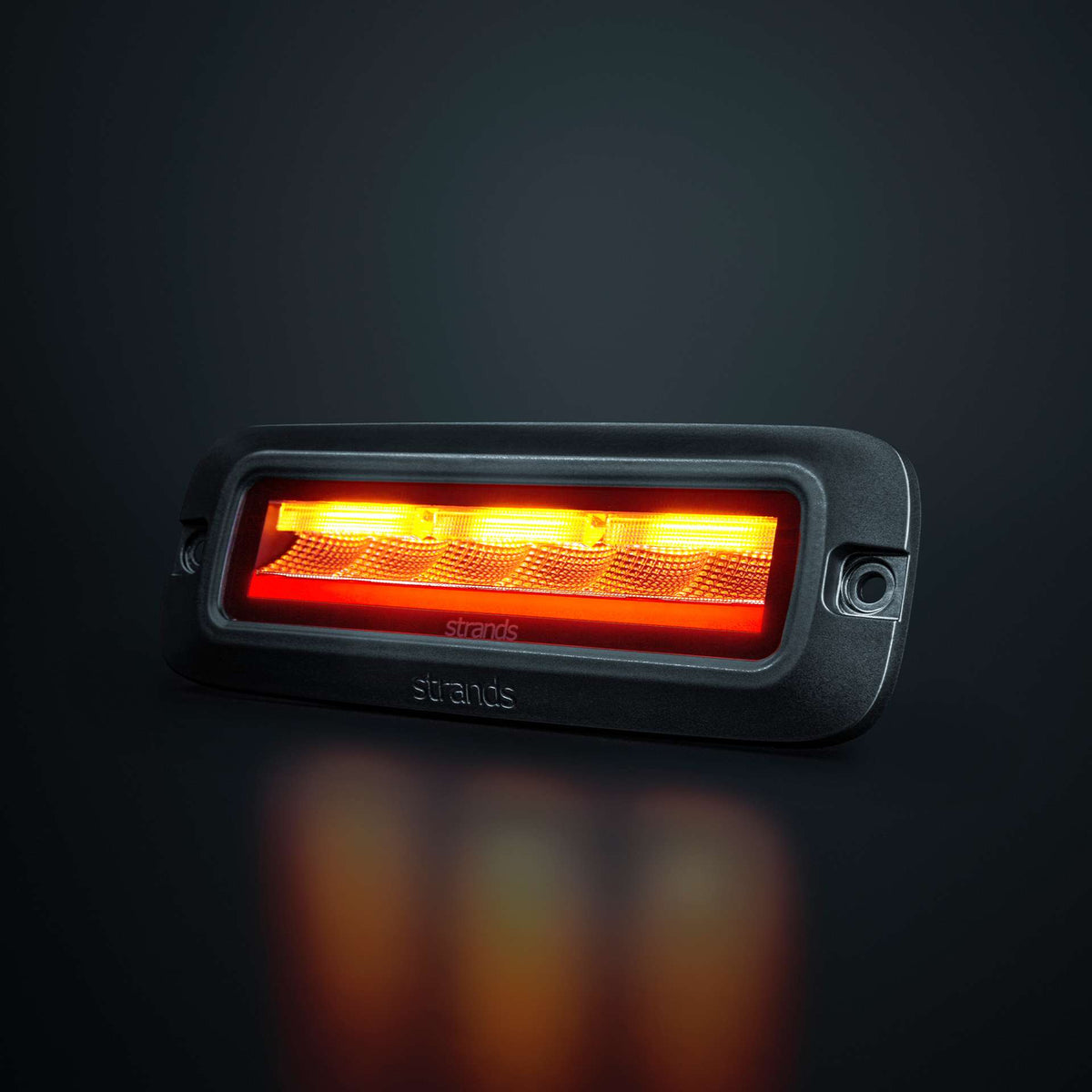
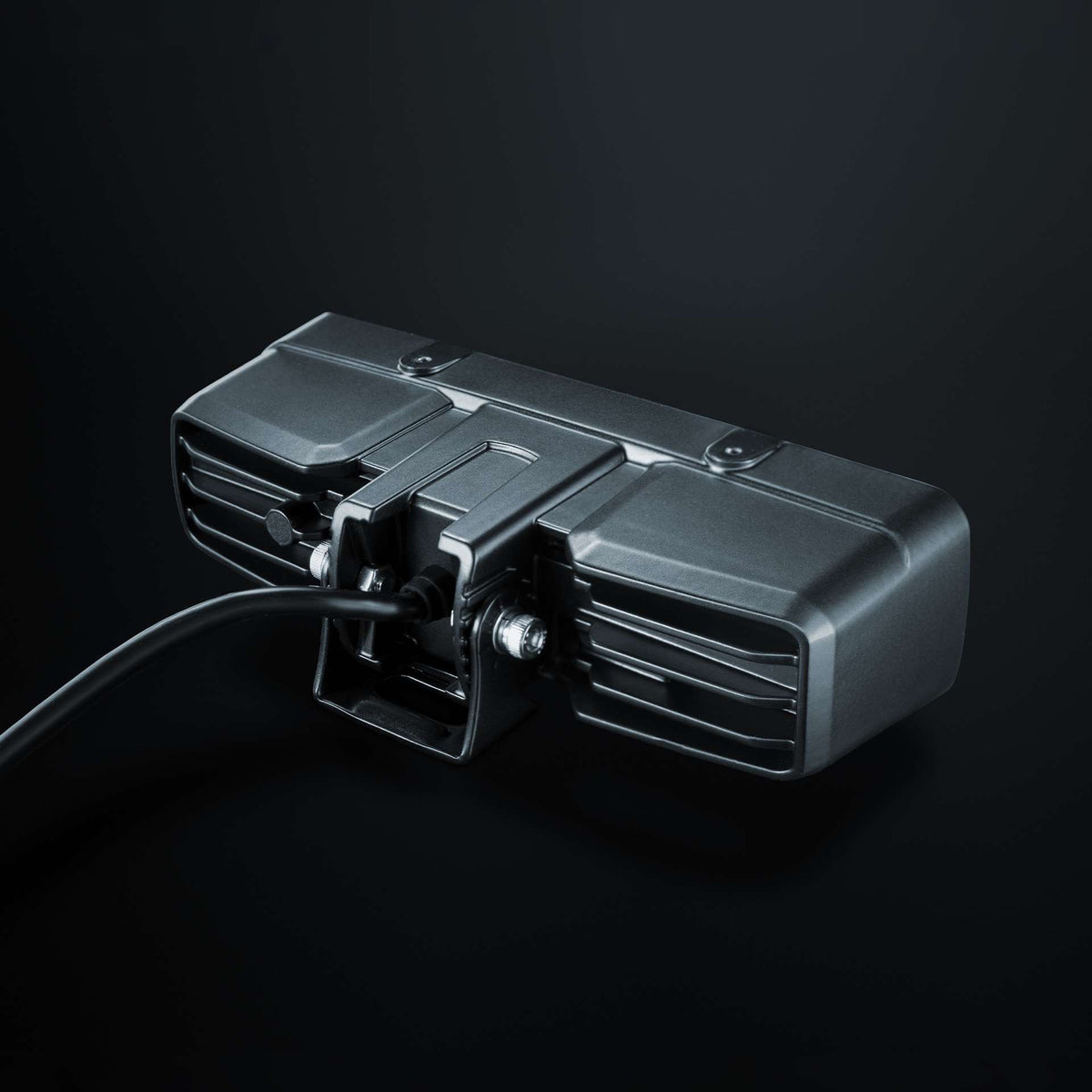
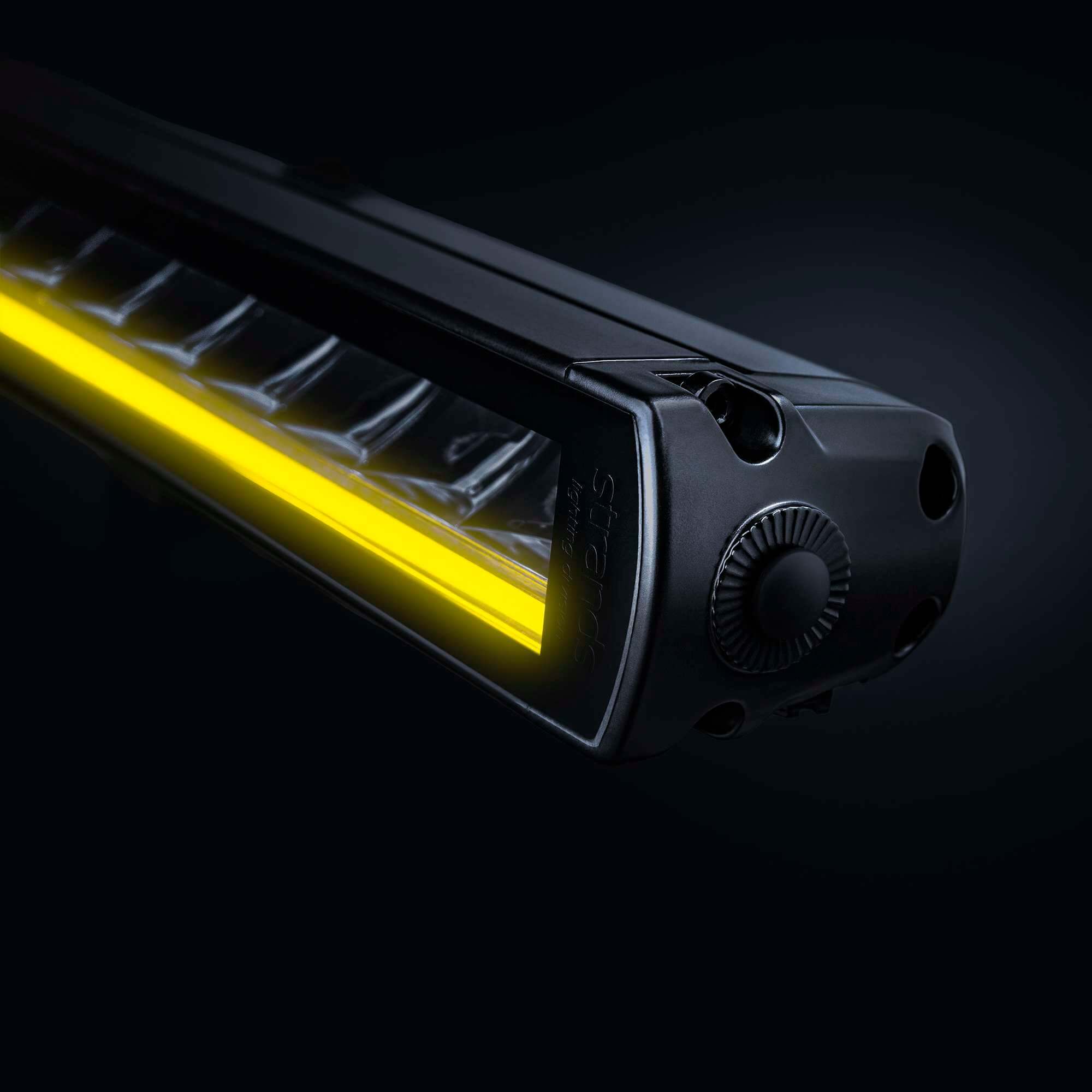
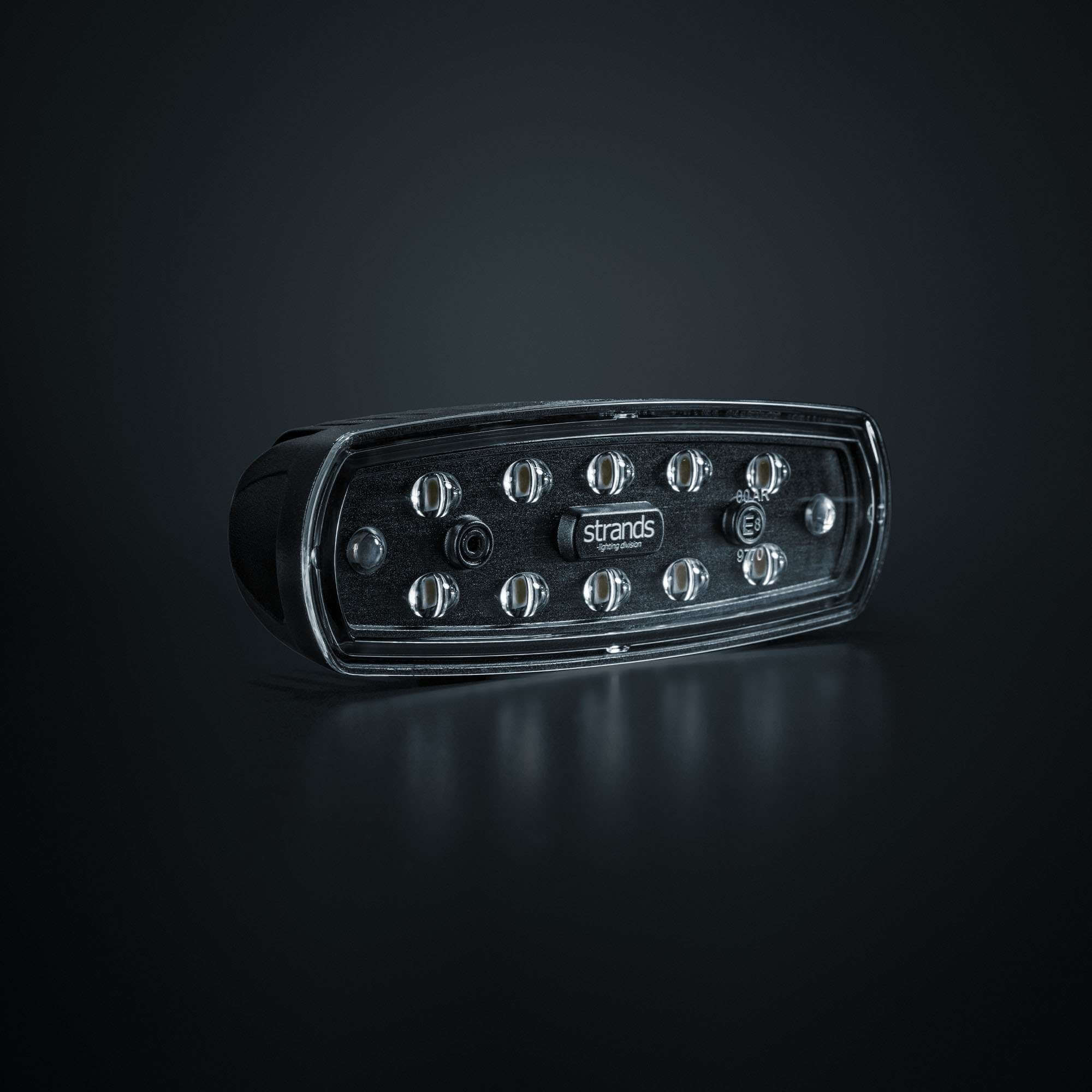
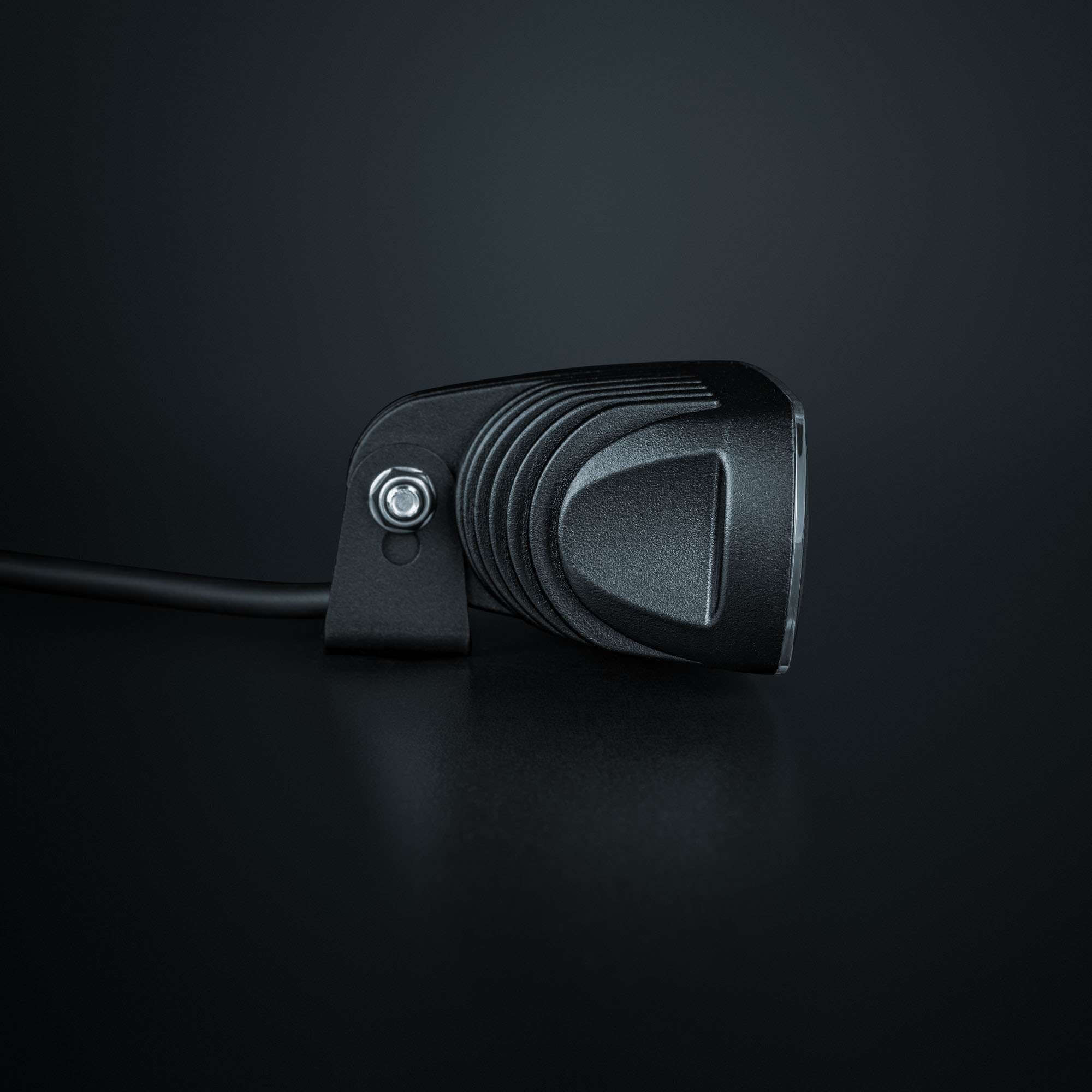
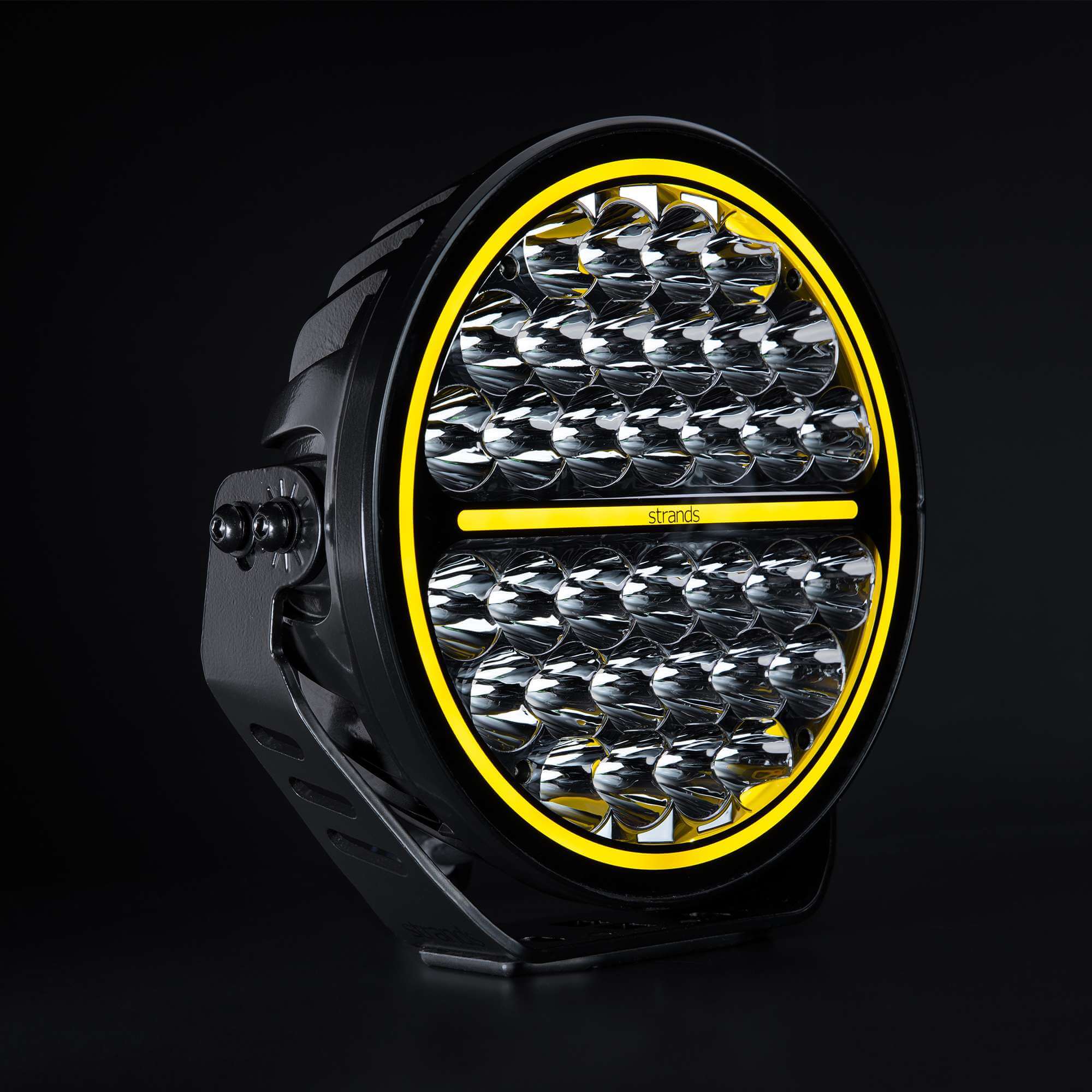
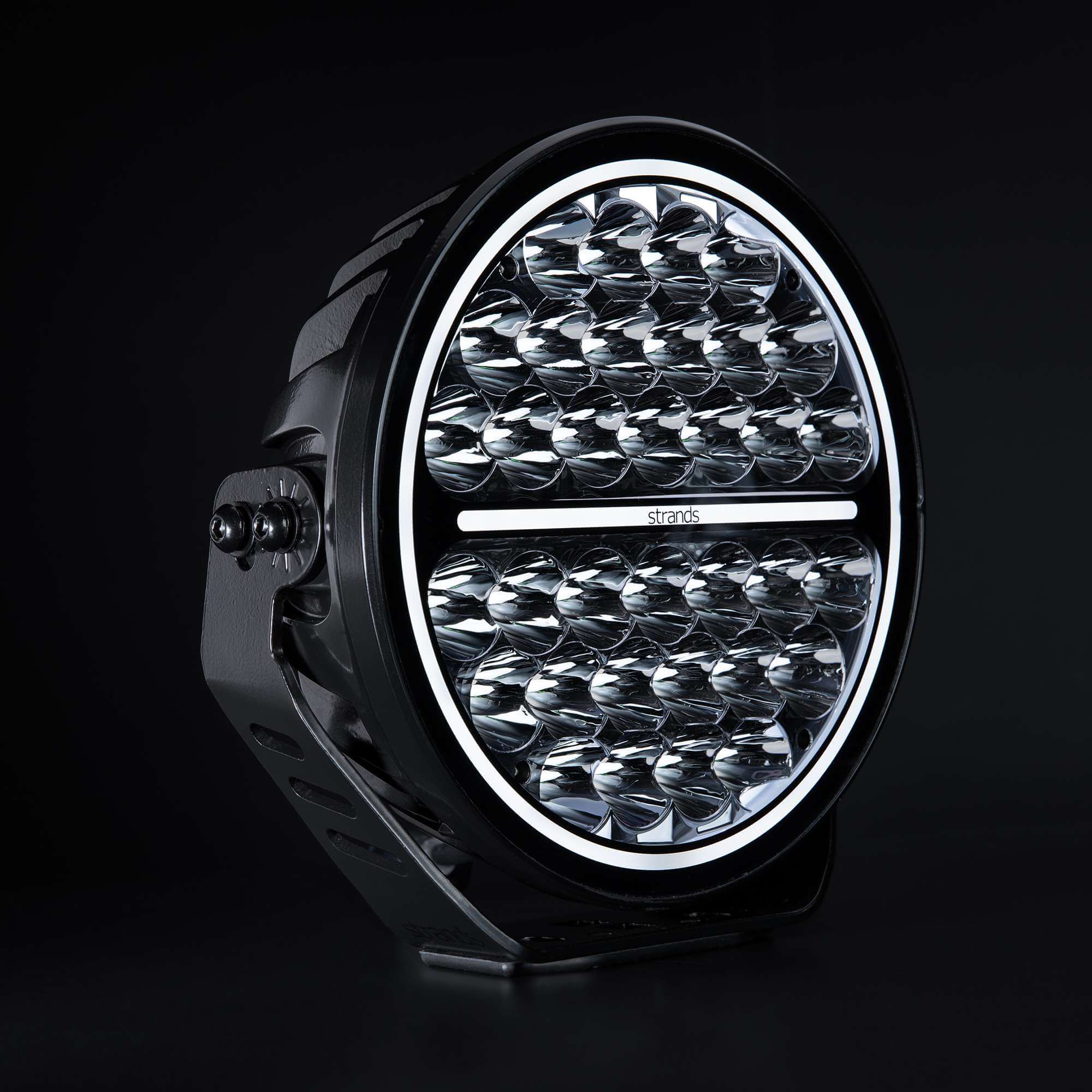
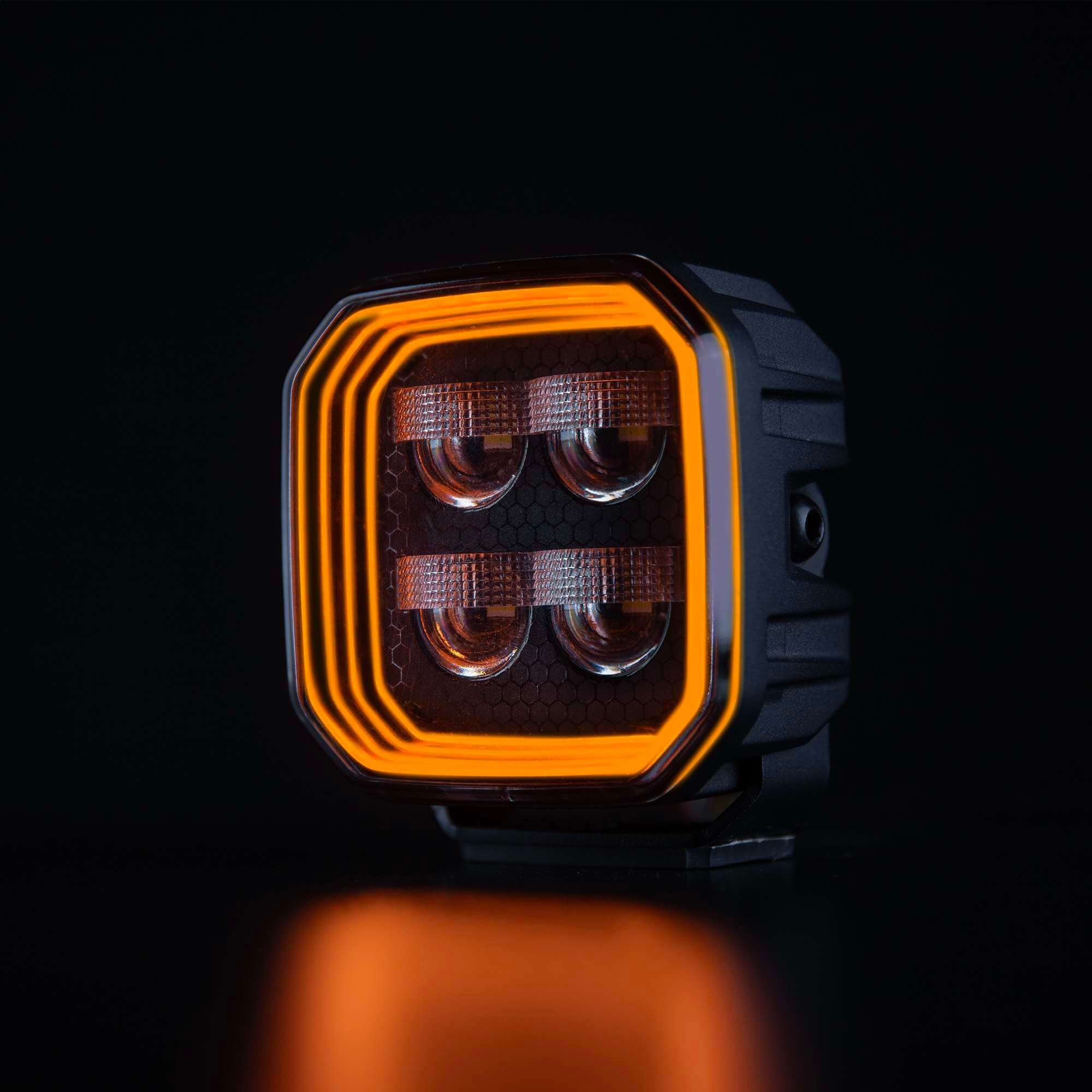
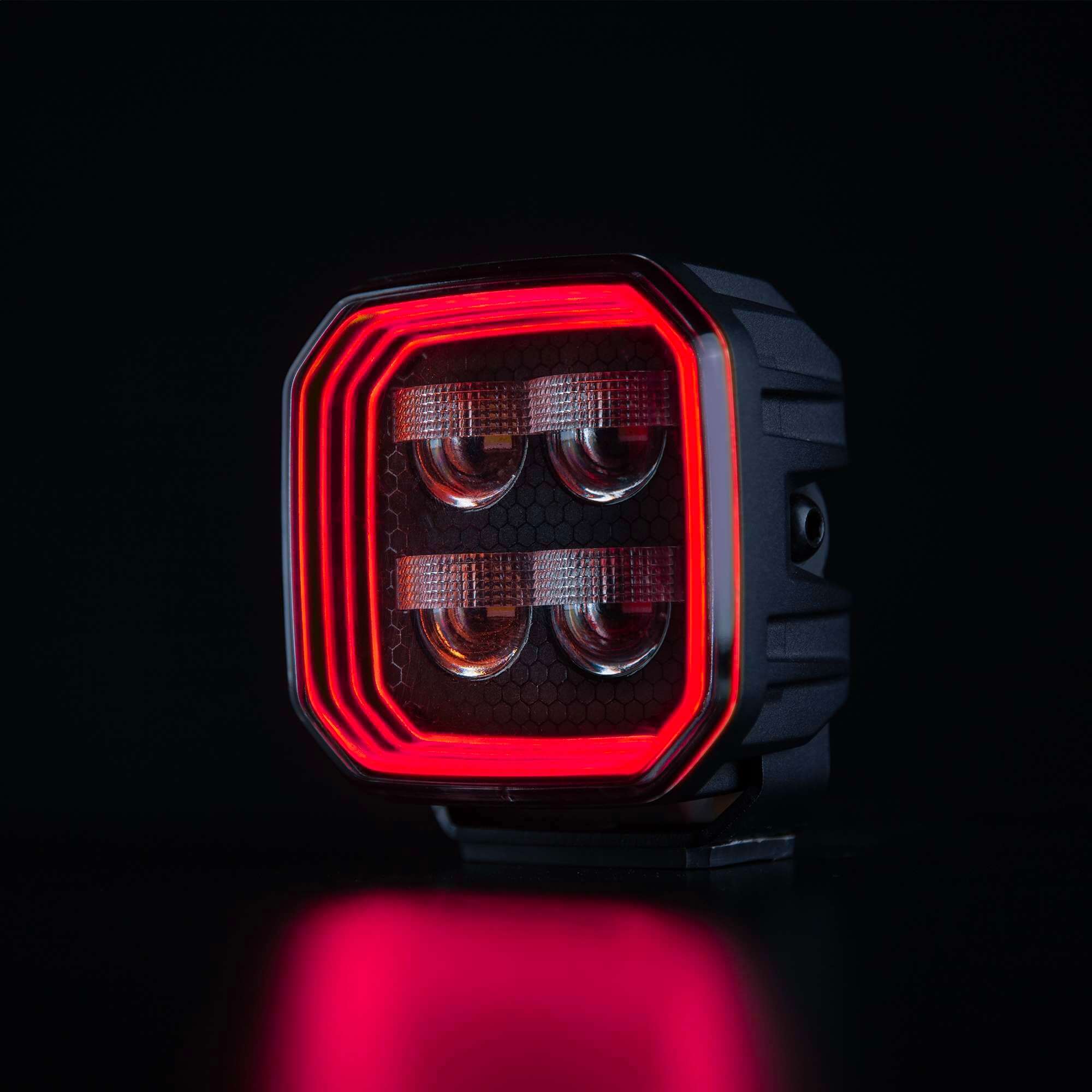
Strands LED lighting
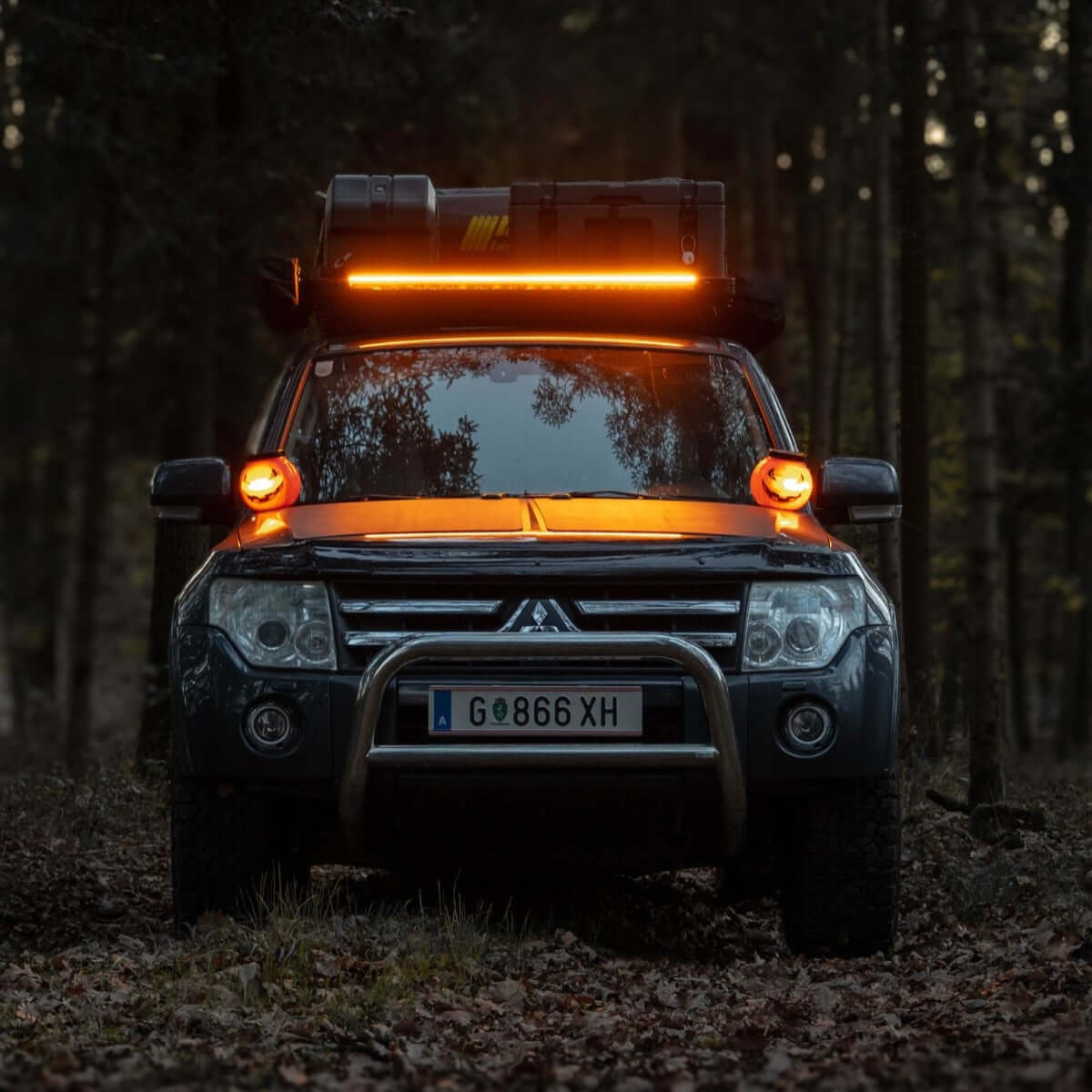
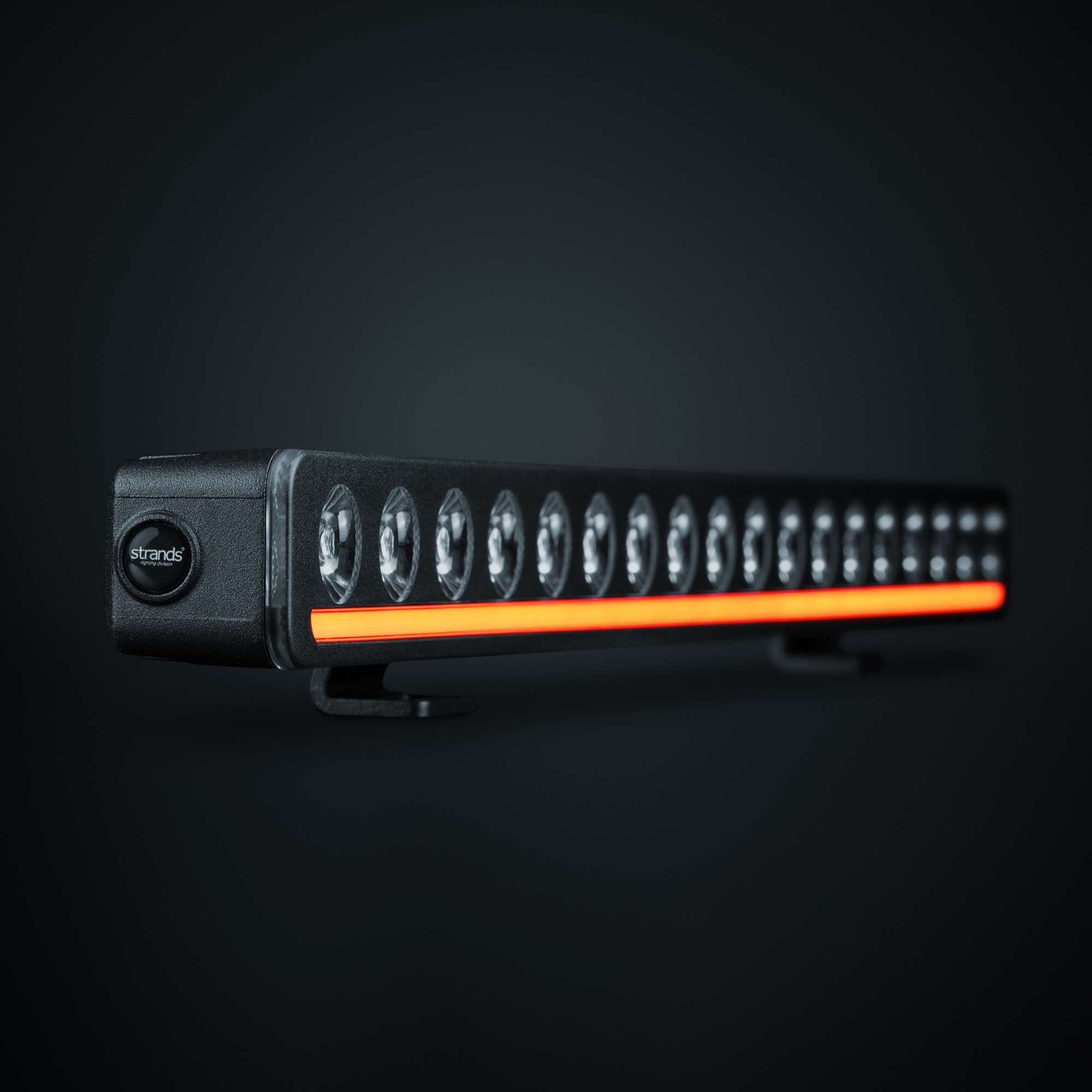
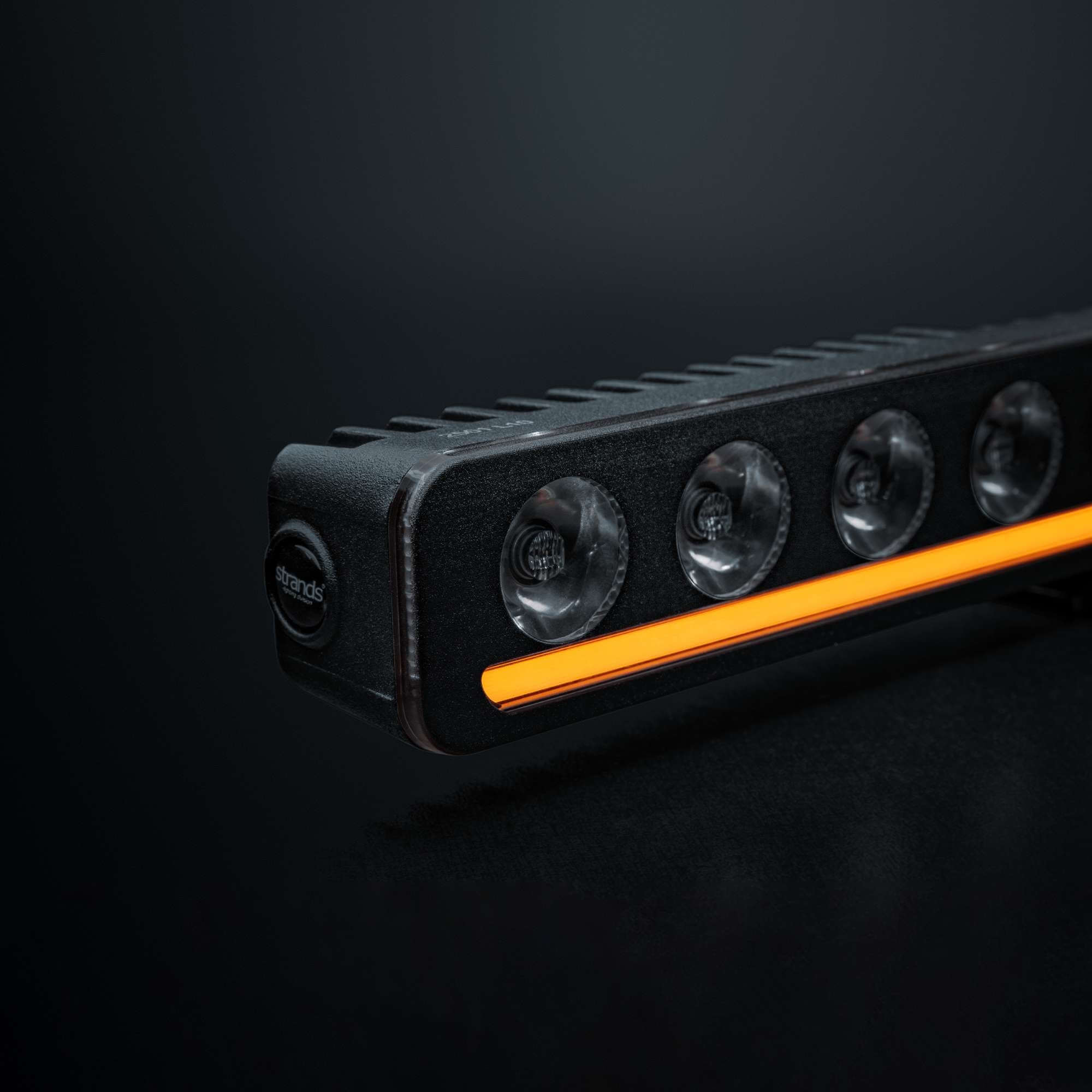
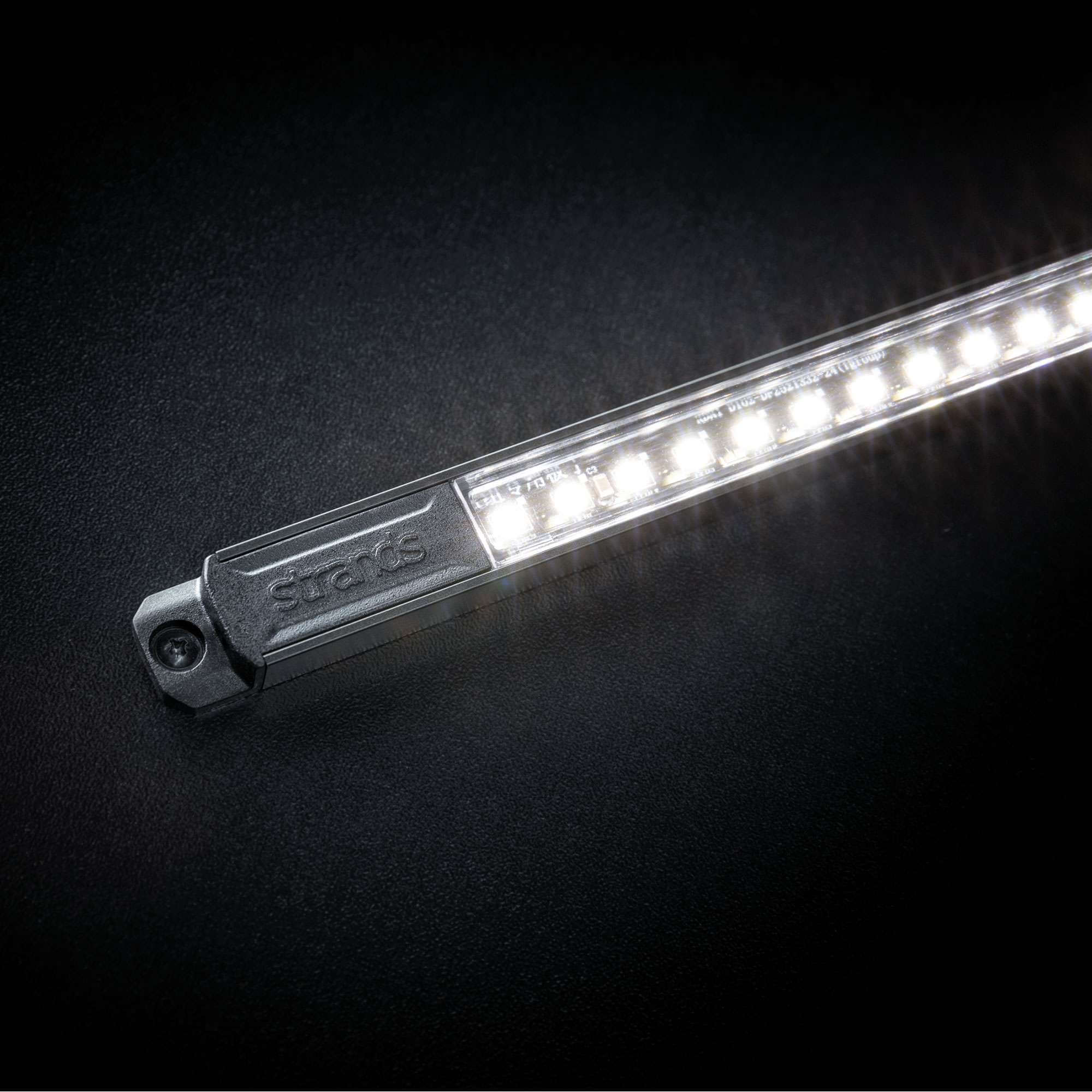
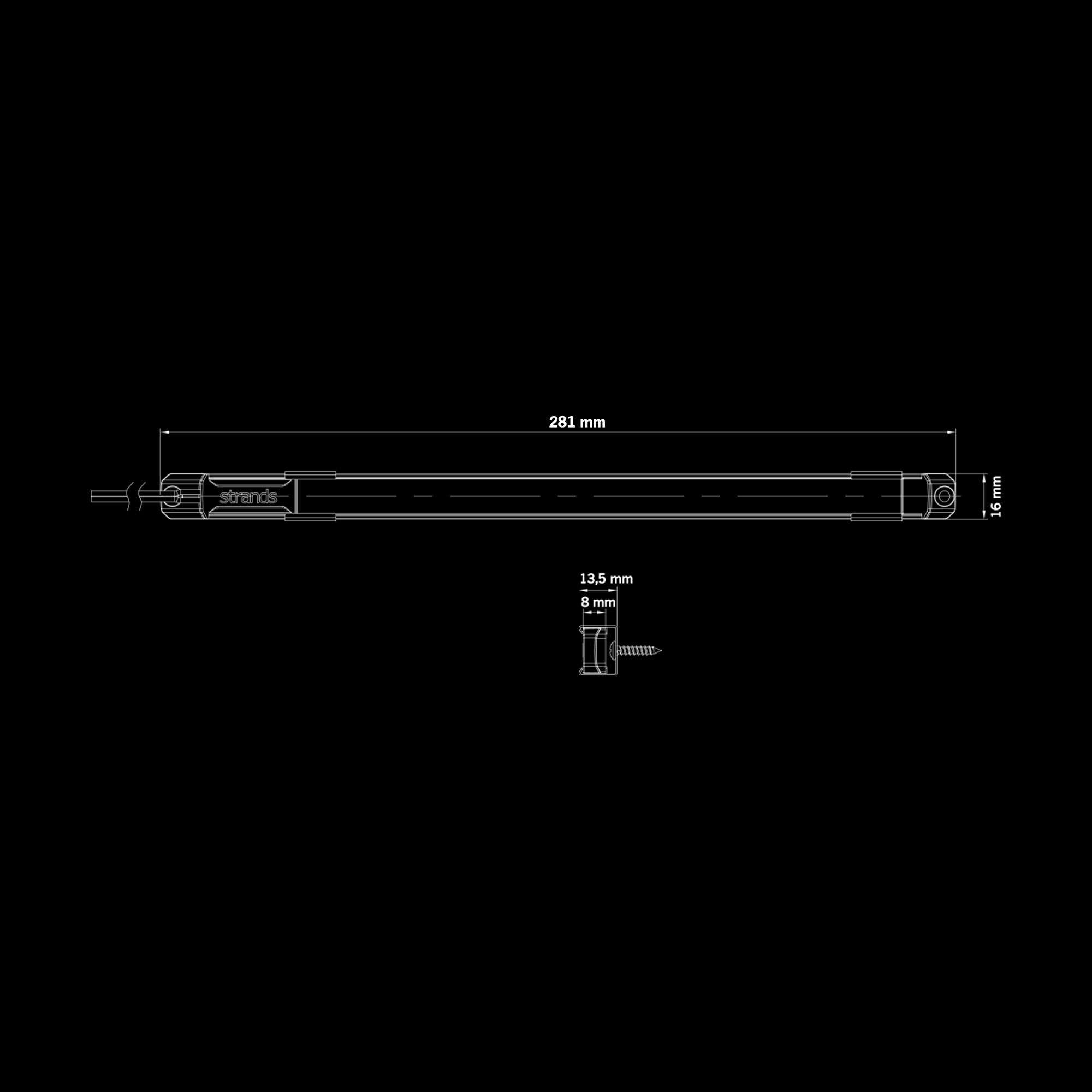
Strands Lightbar
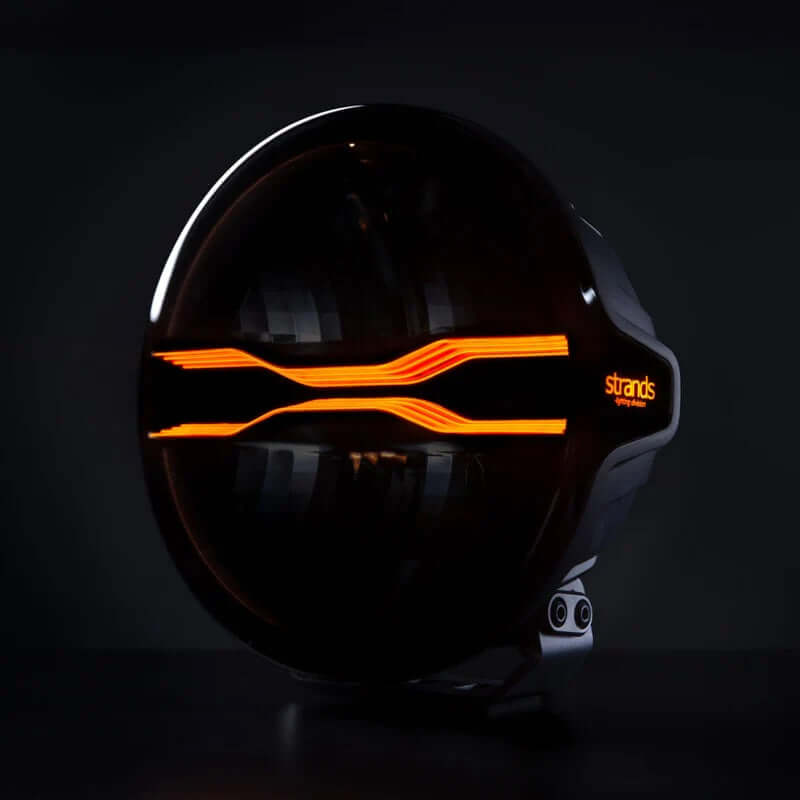
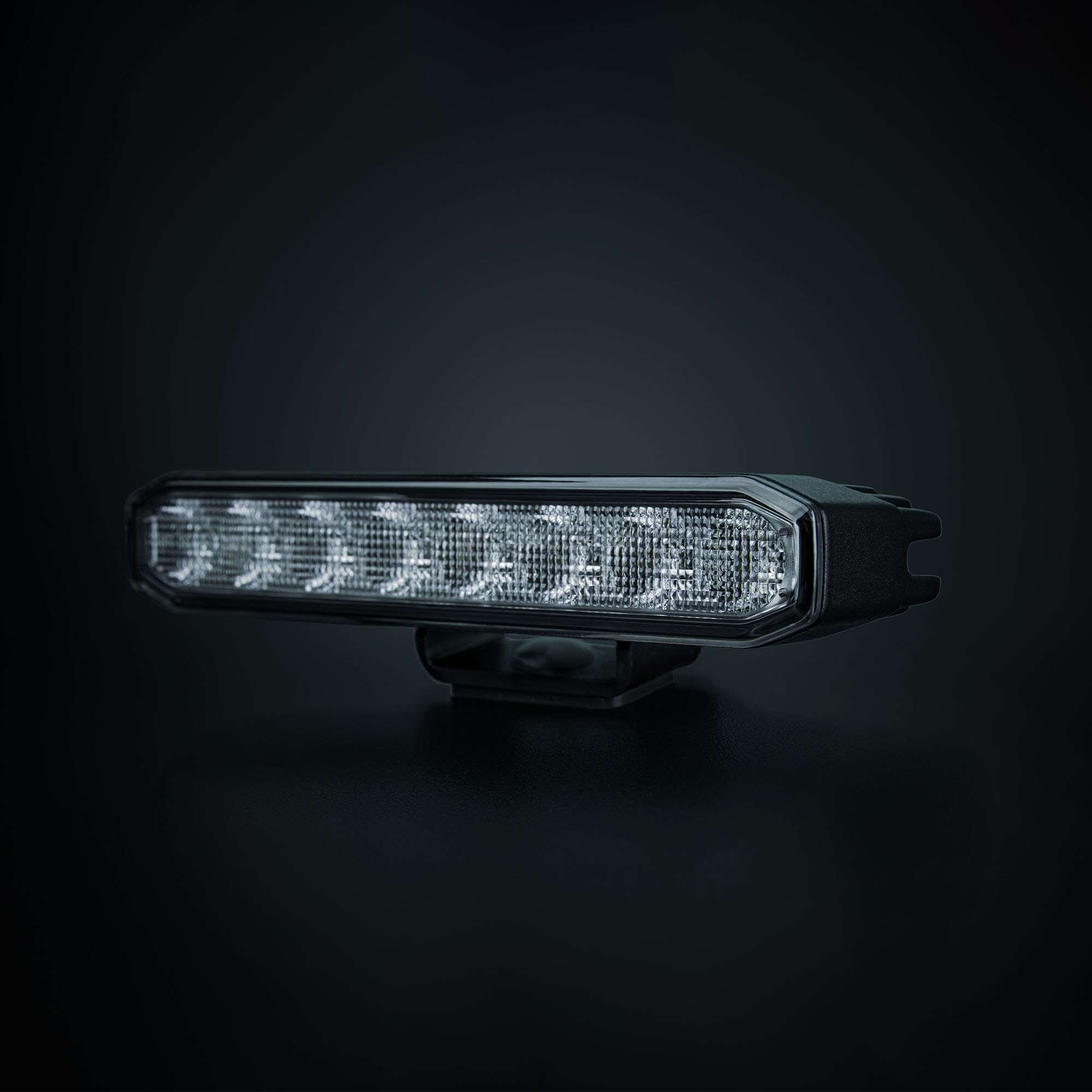
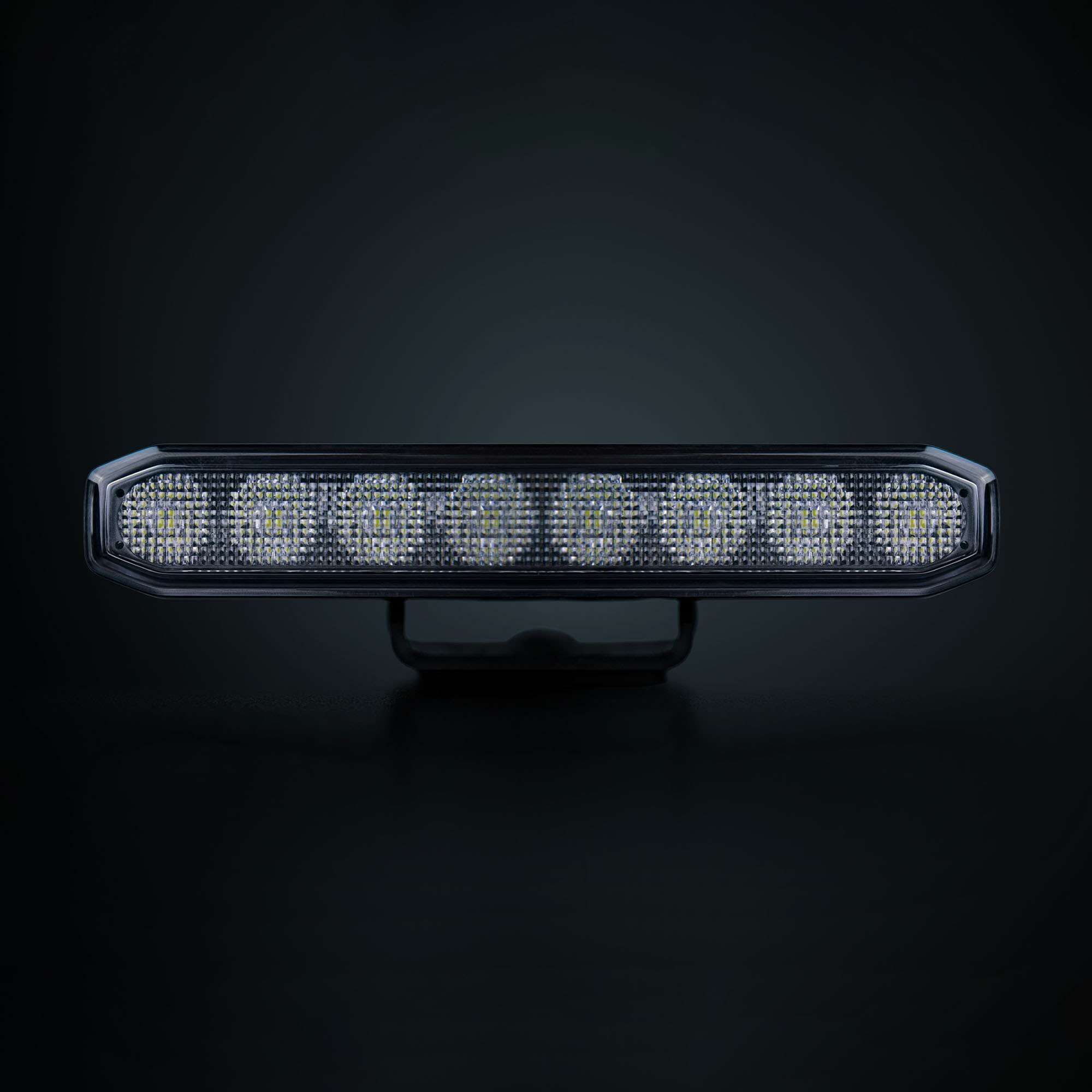
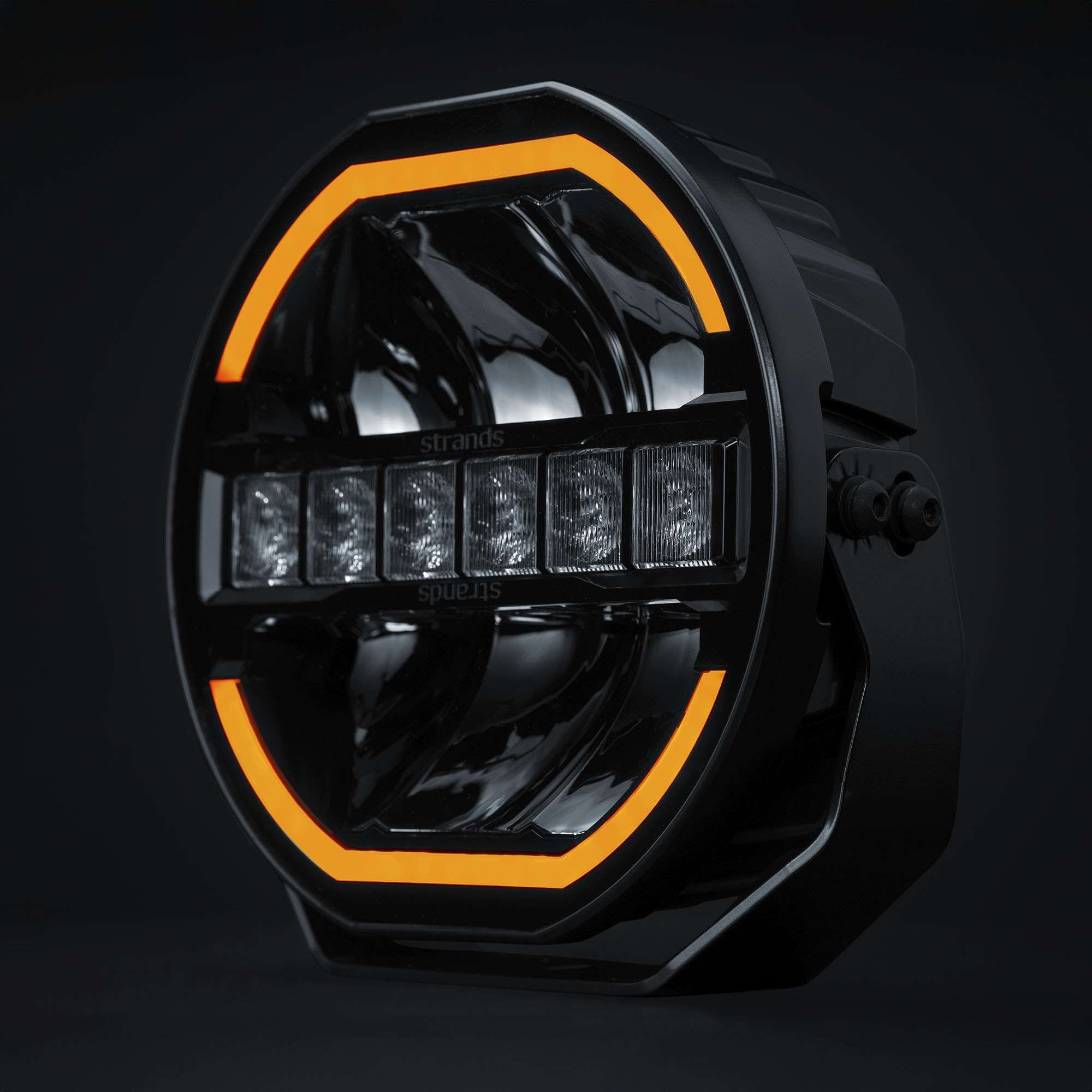
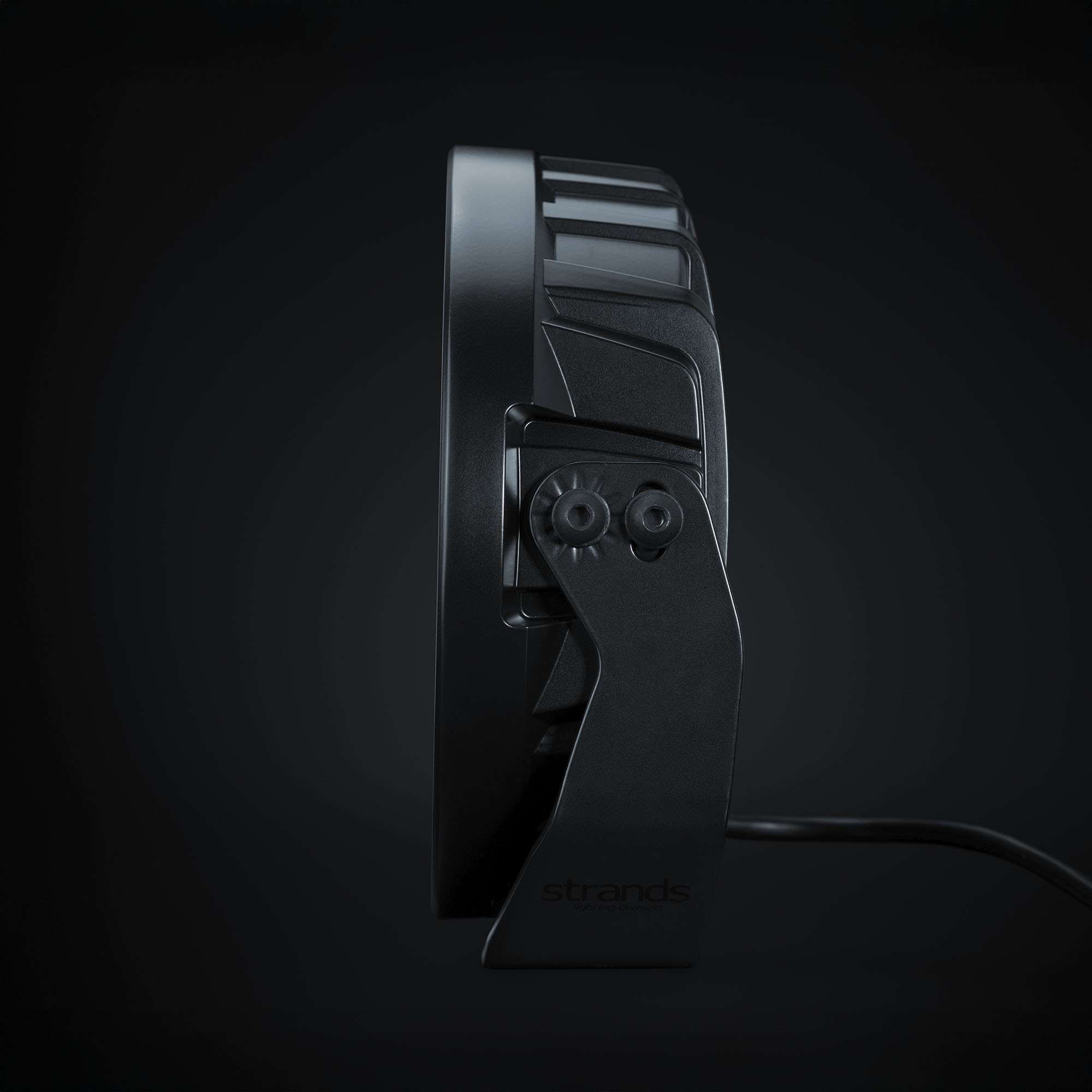
Strand's headlights

FAQs
Where does Strands produce?
Can I use an E-marked side marker light as a turn signal as well?
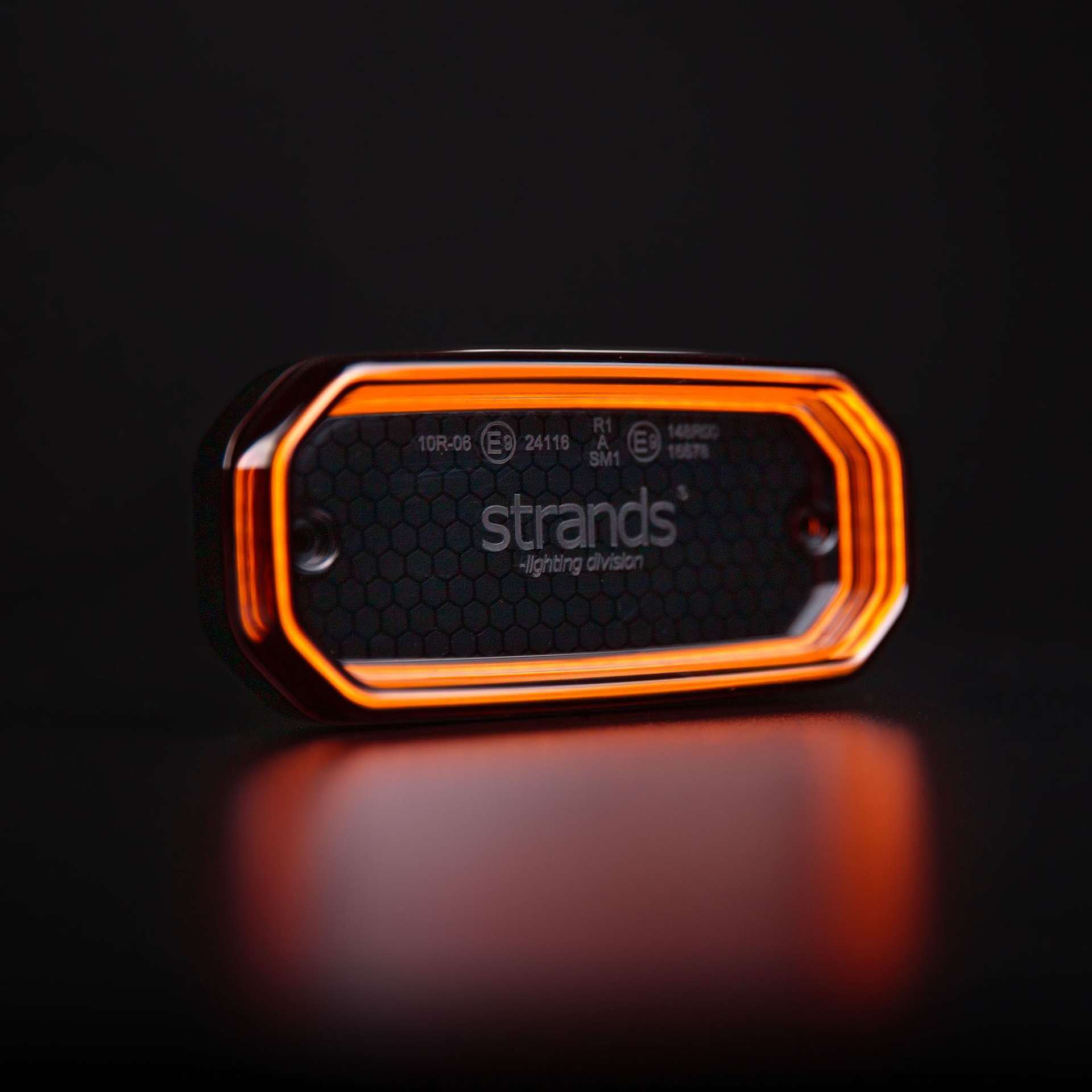
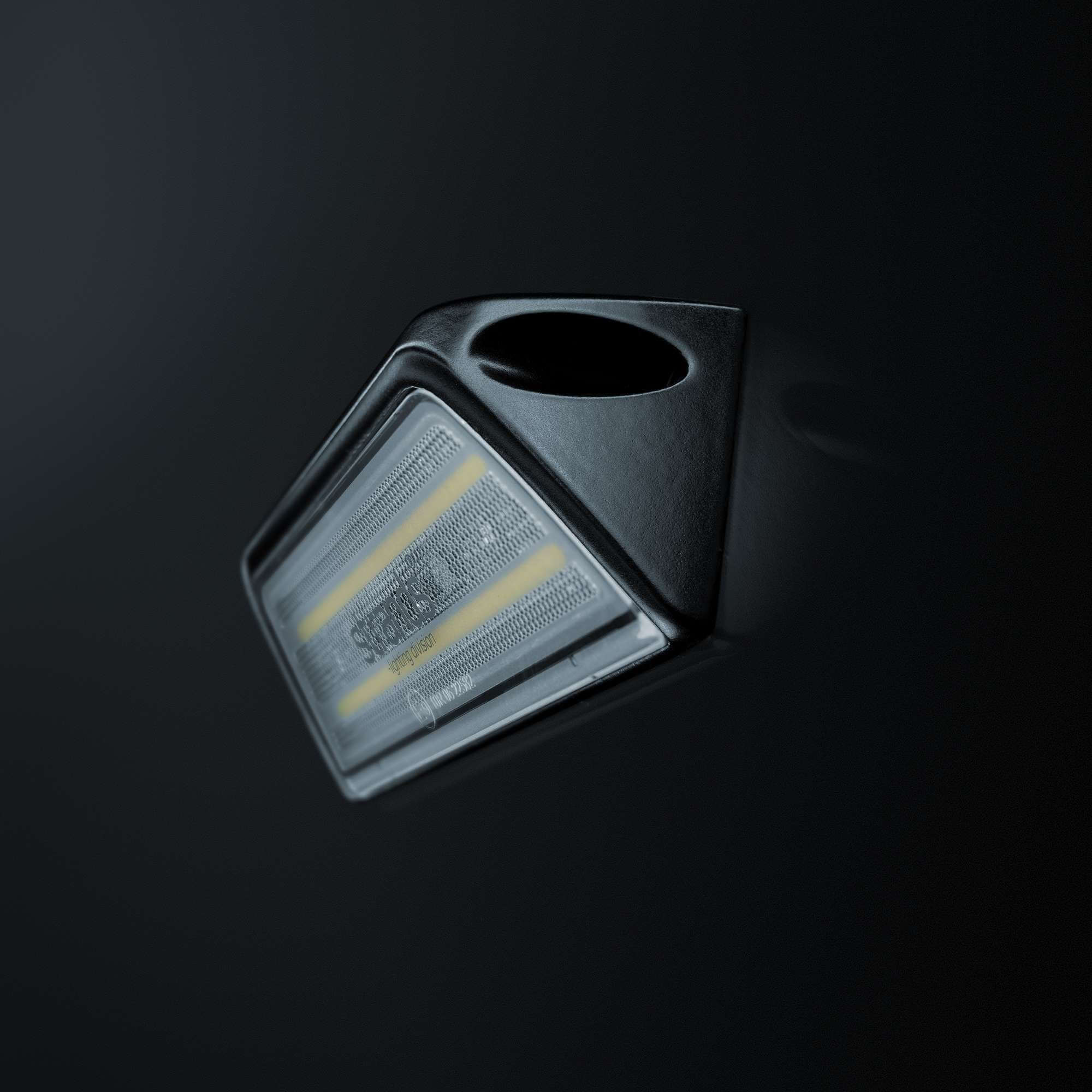
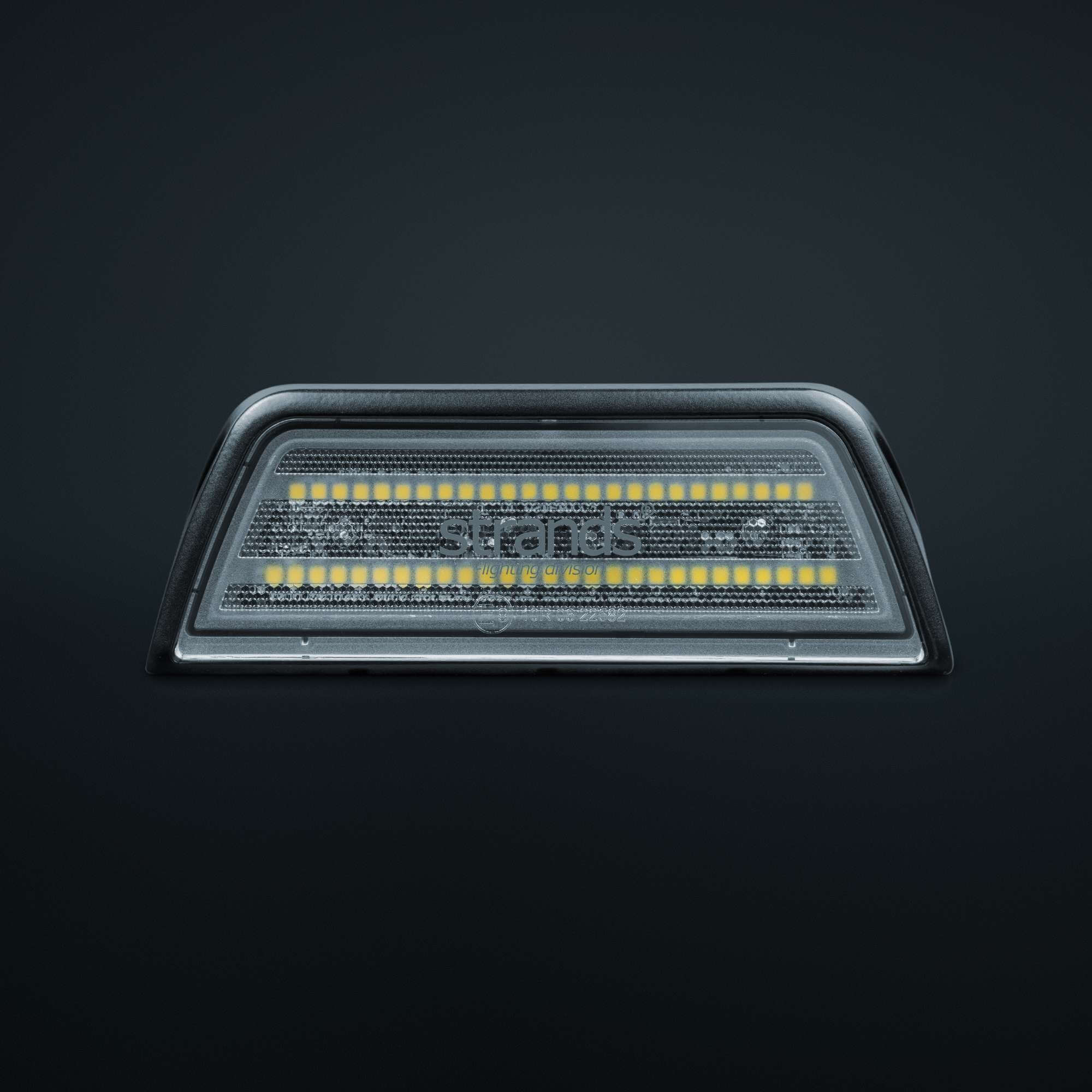
No. If a product is approved exclusively as a side marker lamp, it may only be used for this function. If a lamp is to perform several functions, each individual function must be E-approved for the respective application. The corresponding E-marking should be embossed on the lens of the lamp.
What amperage do I need for the relay, fuse, and cable cross-section when installing my lighting?
The relay should be rated at least 10% above the maximum load of the installation and have a higher amperage than the fuse. The fuse should be just above the total maximum load.
It is important that the fuse always remains the weakest link in the installation. This ensures that it blows first in case of a fault, protecting the rest of the wiring and connected components.
The required cable cross-section depends on several factors: the load, the cable length, and the cable material used. Therefore, there is no one-size-fits-all answer, as each installation is different. If you are unsure, you should consult a vehicle electrician.
What are the different types of photographs?
The light pattern can vary depending on the design of the reflector and lens. Some light patterns are designed for maximum range, while others illuminate a particularly wide area. Still others combine range and width.
Which variant is best depends on your personal requirements and the roads you mostly drive on. On long, straight stretches such as motorways or mountain roads, a far-reaching light pattern is often the best choice. If you mainly drive on winding forest or country roads, a wider light pattern can be useful, as you will spot animals and hazards at the roadside earlier.
At Strands, the light patterns are referred to as optimized, extended, and long-distance. Optimized is the widest light pattern, extended combines width and range, while long-distance is a narrow beam with maximum throw. These light patterns are often also referred to as flood, combo, and pencil.
What are ECE Regulations?
ECE regulations, often referred to as E-mark testing or E-approval in everyday language, define which lights may be used on a vehicle, how powerful they may be, and where and how they must be mounted.
For example, a high beam headlight must not be too powerful, while position lights must have the prescribed color. However, an approved light cannot automatically be mounted arbitrarily or used for every function. For example, an approved side marker lamp may not be connected as a turn signal or mounted facing forward or backward.
The number of lights is also regulated. Just because a light is E-approved does not mean it can be installed on the vehicle an unlimited number of times. There are specifications regarding the quantity and position on the vehicle. If a high beam headlight also has a position light function, both the regulations for high beam headlights and those for position lights must be observed.
If you are traveling internationally, you must also consider reference numbers and the number of light sources. The lights must still be E-approved. Many Strands high beam headlights have two light modes: an approved E-mode and an Xperience Mode.
The ECE regulations include, among others, the following categories:
ECE R10
ECE R10 is required for products mounted on vehicles used in public road traffic. The regulation ensures that the product meets the minimum requirements for electromagnetic compatibility.
ECE R148 – Light-signaling devices
This regulation includes, among others, the following categories:
ECE R4 – License plate illumination
ECE R6 – Direction indicators front, rear and side
ECE R7 – Position lamps front and rear, outline marker lamps front and rear, and stop lamps
ECE R23 – Reversing lamps
ECE R38 – Rear fog lamps
ECE R65 – Warning lamps
Class 1: approved for day or night operation
Class 2: approved for day and night operation with two modes
ECE R77 – Parking lamps front and rear
ECE R87 – Daytime running lamps
ECE R91 – Side marker lamps
ECE R149 – Road lighting devices
This regulation includes, among others, the following categories:
ECE R19 – Front fog lamps
ECE R98 – Xenon high beam headlights
ECE R112 – Halogen and LED high beam headlights
ECE R113 – Xenon and LED high beam headlights for two- or three-wheeled vehicles
ECE R123 – Adaptive front-lighting systems
ECE R150 – Retro-reflectors
This regulation includes, among others, the following categories:
ECE R3 – Retro-reflectors
ECE R27 – Warning triangles
What is a reference number?
The reference number indicates the light output of a lamp in terms of intensity, range, and the ratio between the width and length of the light beam. The higher the value, the more powerful the lamp.
According to ECE regulations, the total lighting of a vehicle, in addition to the required approval, must not exceed a total reference number of 100. This takes into account both additional high beams and the standard vehicle lighting. The reference number must be embossed on the lens of the lamp.
A national exception applies to drivers in Sweden. There, reference numbers are not calculated, allowing significantly more auxiliary lights to be mounted. However, the lights must still be E-approved to be considered legal. If you frequently travel abroad and have many high-beam headlights with high reference numbers installed, it may be advisable to deactivate them to avoid potential penalties.
What does IP protection class mean?
The IP protection class is an international standard that indicates how well a product is protected against liquids and solid foreign bodies such as water, dust or particles.
The first digit describes the protection against dust and solid objects. The scale ranges from 0 to 6, with 6 meaning that the product is completely dust-tight.
The second digit indicates the protection against water. The highest protection classes are 9 and 9K respectively. Vehicle lighting is often exposed to heavy loads, which is why the appropriate IP protection class is particularly important. It also plays a role in vehicle washing: a lower IP protection class can mean that the light cannot withstand a car wash or very hot water without problems.
First digit – protection against solid foreign objects:
5 = dust-protected
6 = dust-tight
Second digit – protection against water:
5 = protected against jet water from a nozzle
6 = protected against strong jet water
7 = temporary immersion in water possible
8 = suitable for permanent immersion in water
9(K) = suitable for high-pressure and high-temperature water
Example: IP66 means dust-tight and protected against strong jet water.
What does Kelvin mean?
Kelvin describes the color temperature of light. A higher Kelvin value results in cooler, more bluish light. A lower value produces warmer, more reddish light.
Fluorescent lamps often appear cooler and more bluish, while dimmed light tends to look warm and reddish. The ideal color temperature depends on the application.
A cooler color temperature is usually well-suited for driving and work lights, as it produces a clear and easily discernible light pattern. A warmer color temperature can be advantageous in rain or snow, as it reduces glare from water particles.
What are lumens and lux?
Simply put, lumens describe the luminous flux of a light source, i.e., the strength of the emitted light. This value refers only to the light emitted by the light source itself, and not to the entire construction of the luminaire.
A distinction is made between theoretical and actual lumens. Theoretical lumens describe light output under optimal conditions, which are rarely achieved in practice. Products with 100% actual lumens are not realistically feasible. Therefore, Strands tries to refer as much as possible to actual lumen values.
Lux is the unit for illuminance and describes how much light falls on a certain area. 1 lux corresponds to 1 lumen per square meter.
For high beams, light intensity is often specified as 1 lux @ x meters. For example, if a high beam has a range of 700 meters, this is specified as 1 lux @ 700 m. This means that 1 lumen per square meter is still reached at a distance of 700 meters from the vehicle.
Strands has a modern light laboratory where all luminaires are tested to ensure precise and reliable measurements.
What technologies are used in luminaires?
The most common lighting technologies are halogen, xenon, and LED.
Halogen lamps use halogen gas and a filament. They are brighter than conventional incandescent lamps but do not achieve the light output and lifespan of xenon or LED lights.
Xenon lights contain xenon gas, do not require a filament, last longer, and consume less power than halogen lamps. However, xenon lights take some time to reach their full output. Both halogen and xenon lights generate heat.
LED is the most modern technology and is most frequently used in the Strands product range. LED diodes offer a very long lifespan, low power consumption, a short switch-on time, and high resistance to vibrations.
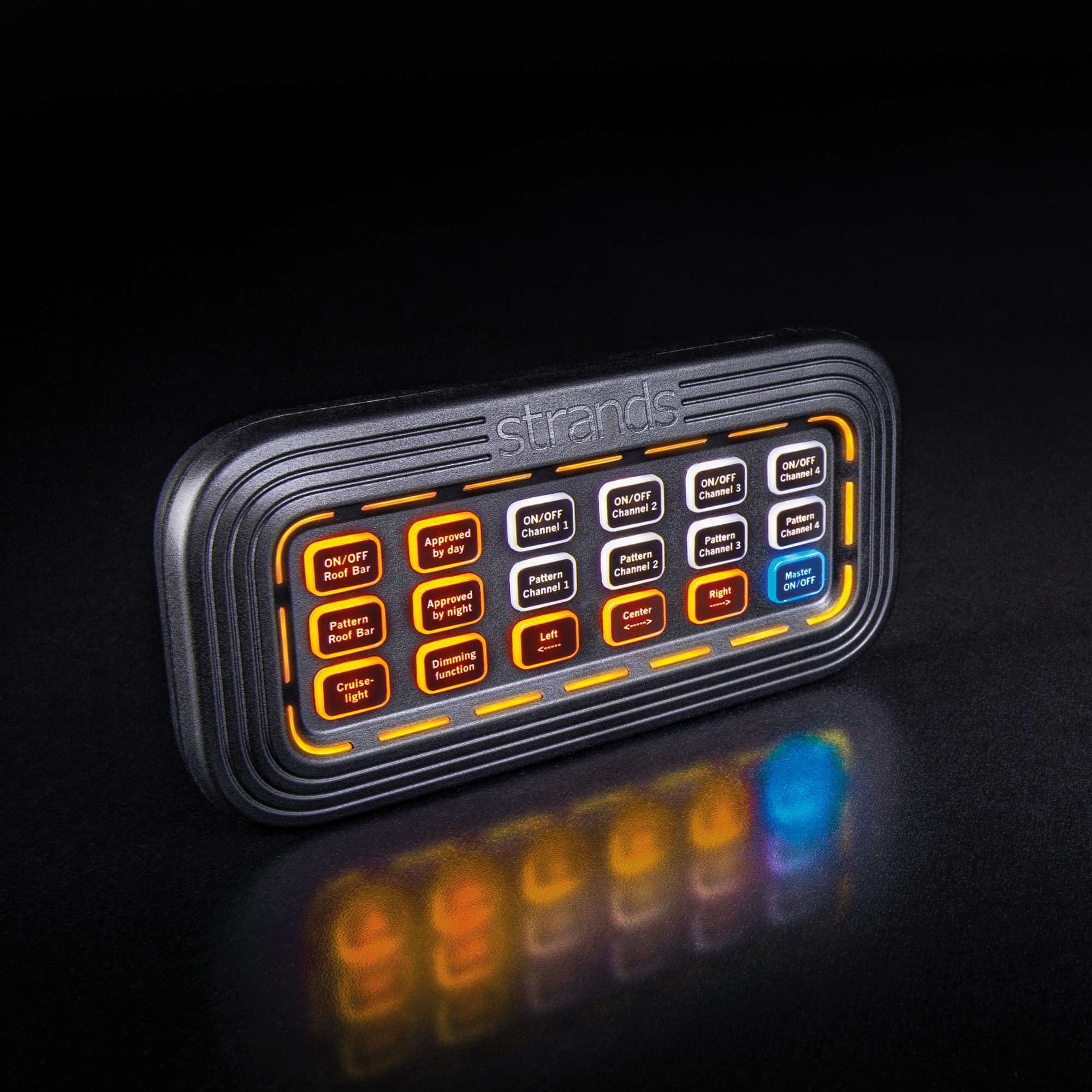
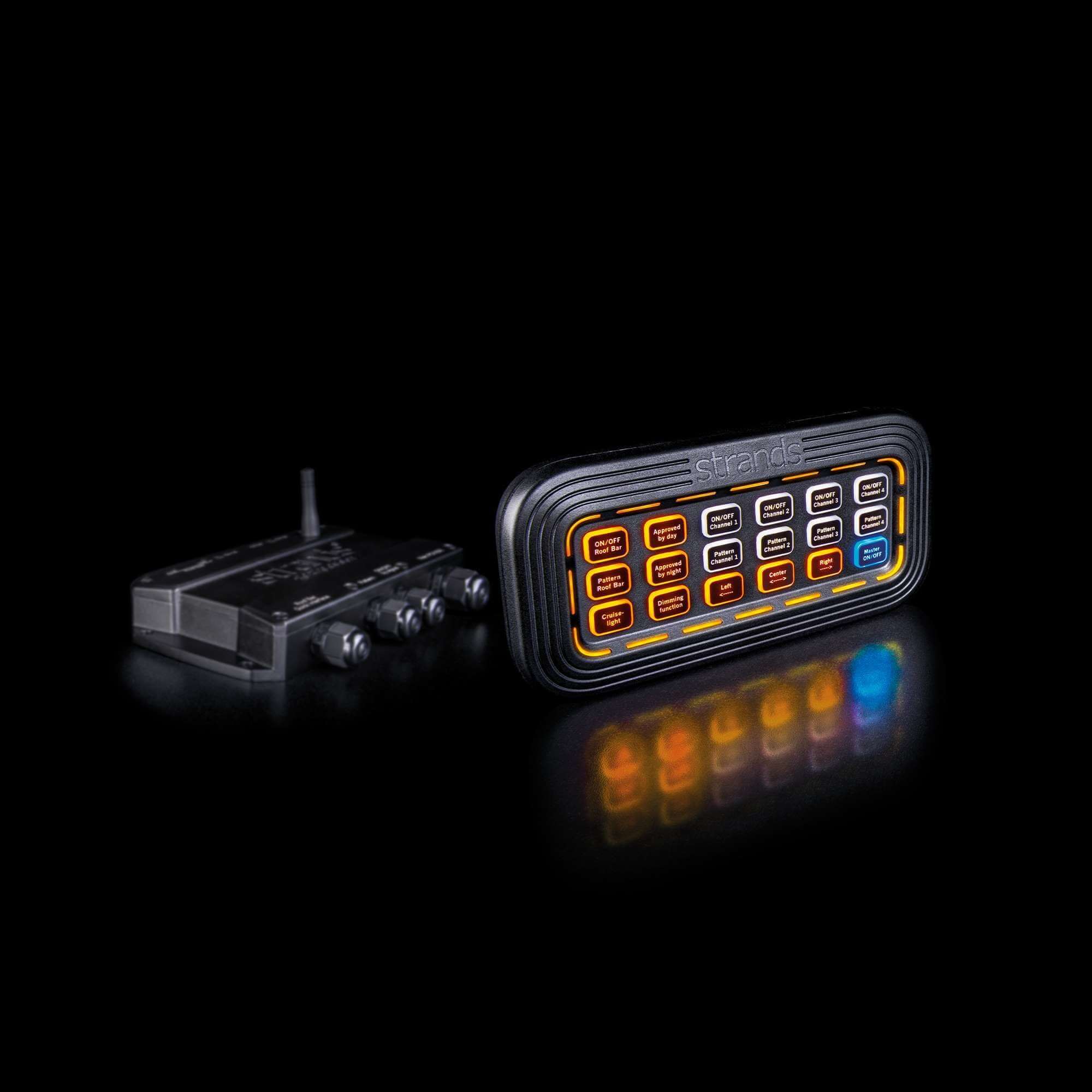
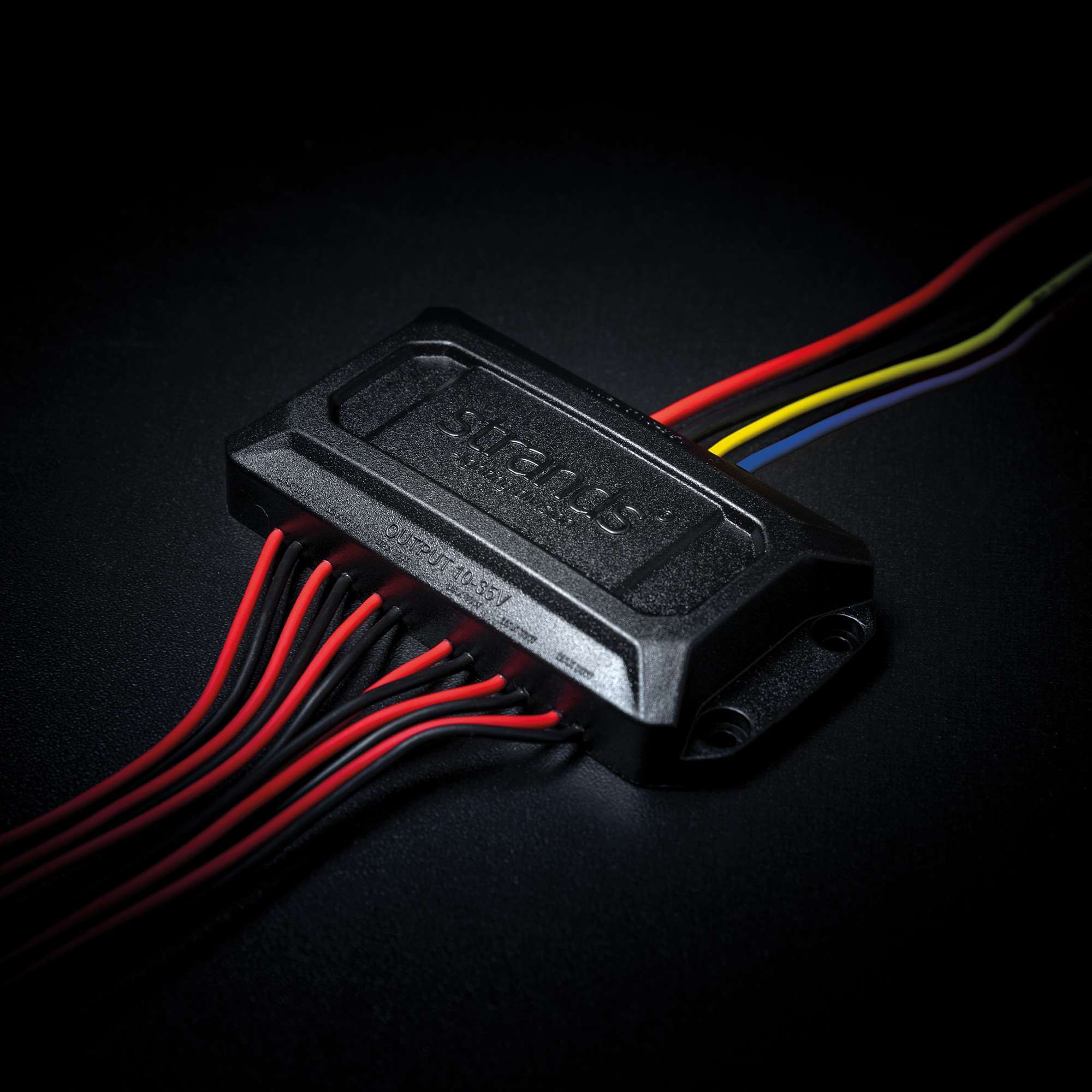
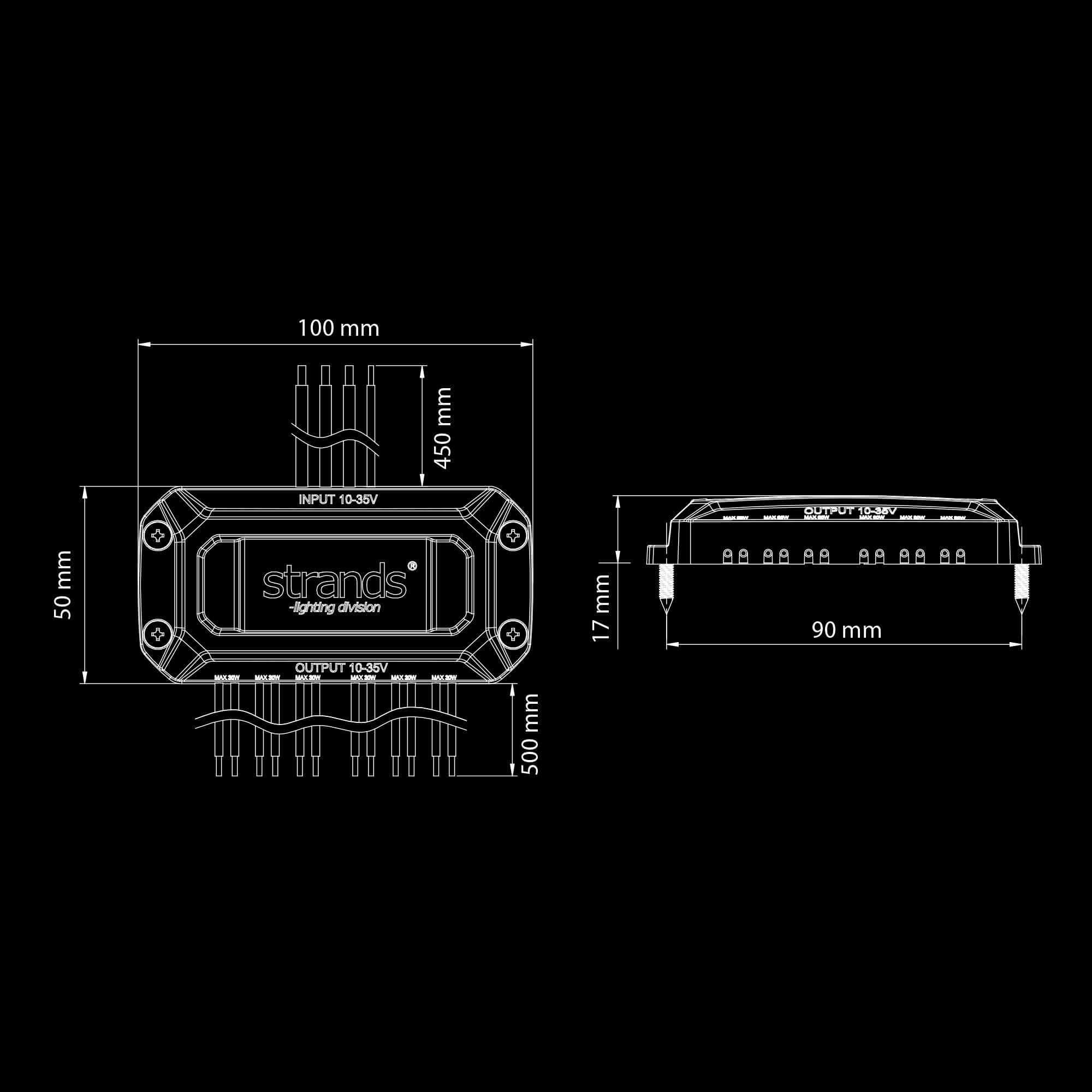
How do I use the Cruise Light wireless control unit with item number 850208?
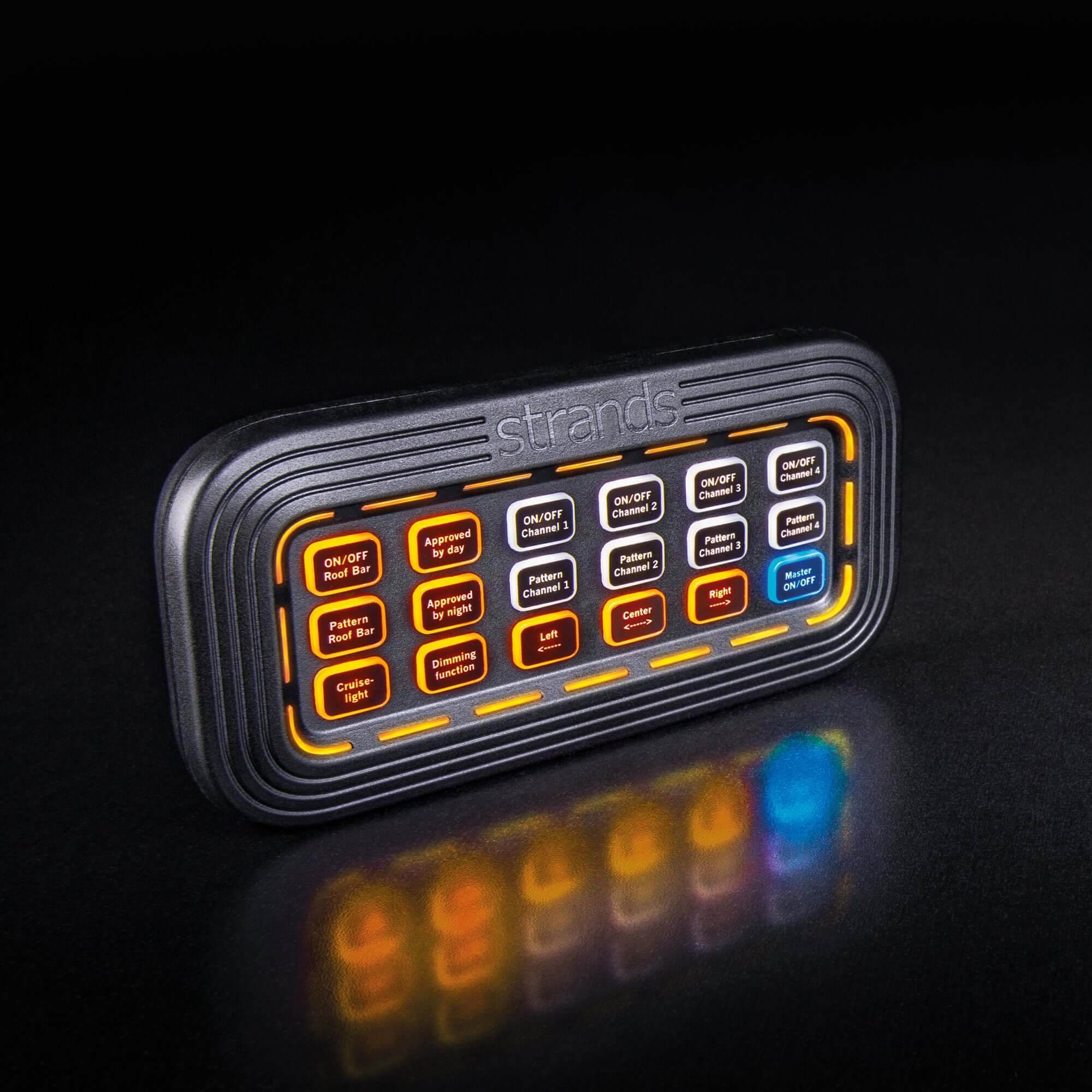
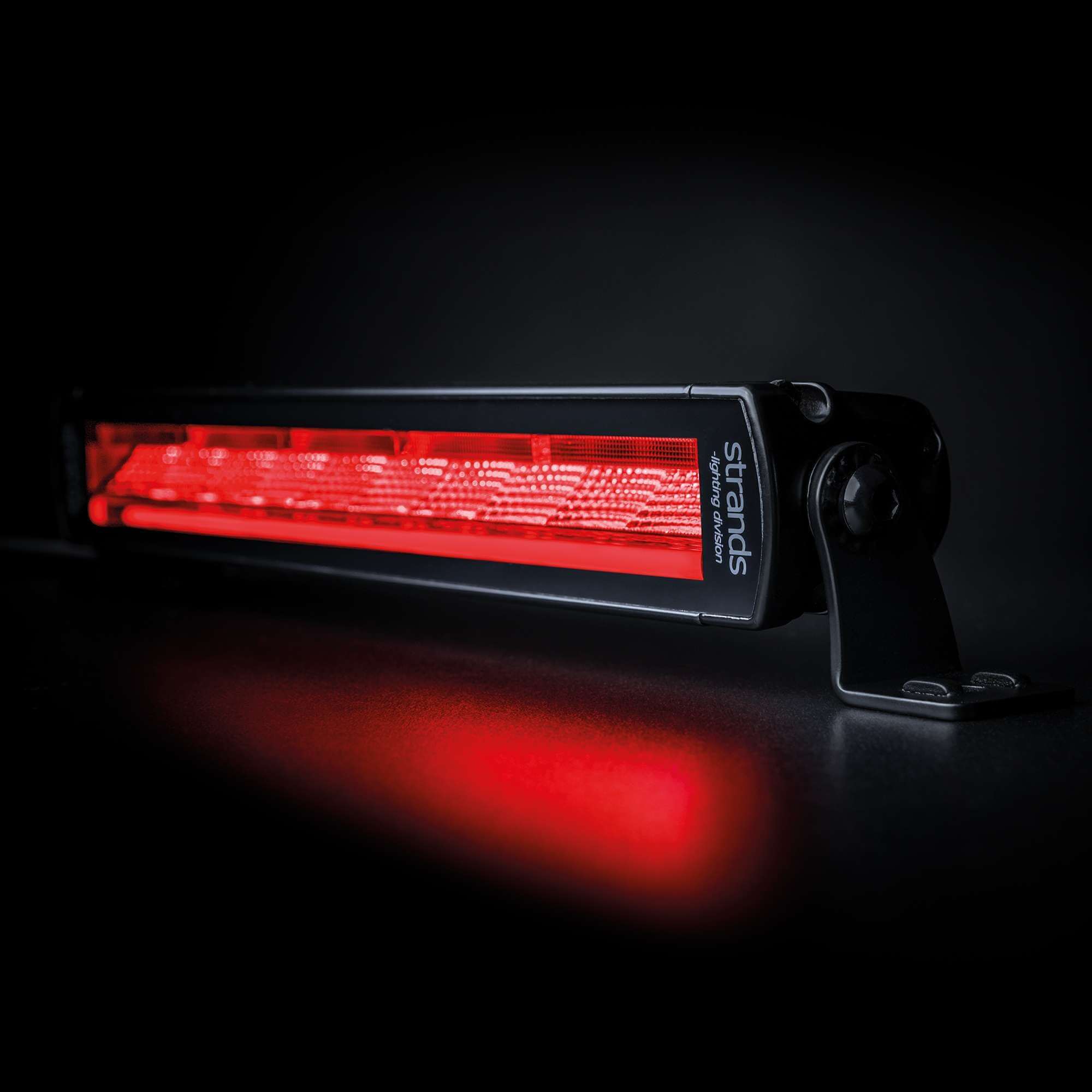
The wireless control unit has six outputs. Two of them are intended for Cruise Light warning light bars; the remaining outputs can be connected to other lights.
The lights can be controlled wirelessly via the control unit or via a signal cable. Detailed information can be found in the corresponding instruction manual.
What is No-Glare technology?
Thanks to the special lens structure, the light is precisely split: It is stronger in the lower area of the light cone, and more diffusely distributed further up. This reduces glare in dark environments and prevents eye fatigue.
While conventional work lights often emit their light in all directions, the FOR9T No-Glare projects a focused light cone exactly where it is needed.
What is the difference between E-Mode and Xperience Mode?
Many Strands auxiliary lights have two light modes that can be switched between.
The E-mode is E-approved and thus often a prerequisite for legal use on public roads. It significantly improves the standard high beam and is particularly suitable in rain or snow, as it produces less glare from water particles.
The Xperience Mode is a particularly powerful mode with maximum light output and long range. It is ideal for very dark and demanding conditions where as much light as possible is needed.
Where should I mount my lights for the best visibility?
As a general rule, the higher the lights are mounted on the vehicle, the better the light output is usually perceived. A higher mounting position reduces shadows and dark areas on the road.
Which driving light should I choose for my vehicle?
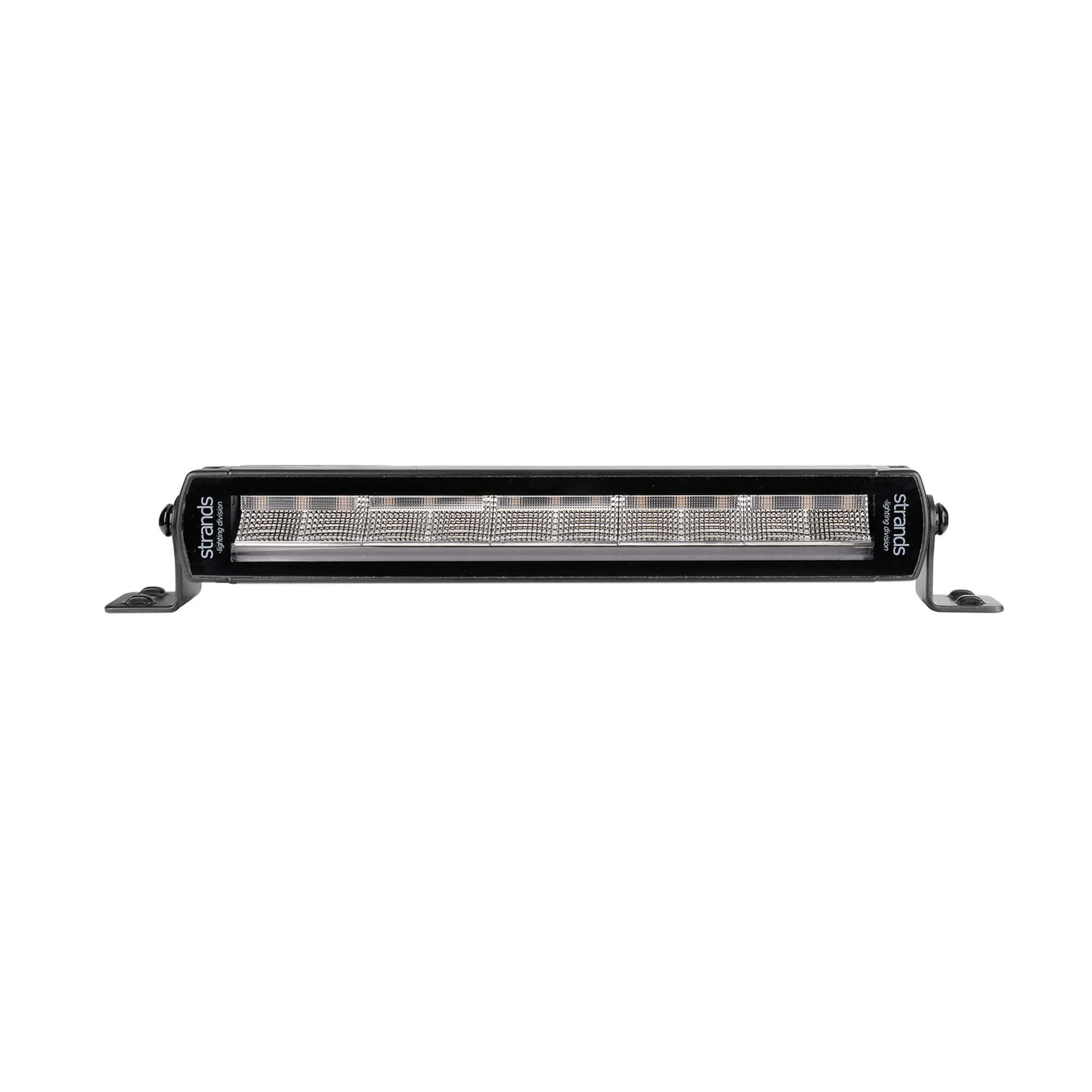
That depends on your vehicle and its intended use. For large vehicles or trucks, a 9-inch driving light or a larger LED bar can be a good choice. These often offer very high performance, but can appear too large on smaller vehicles.
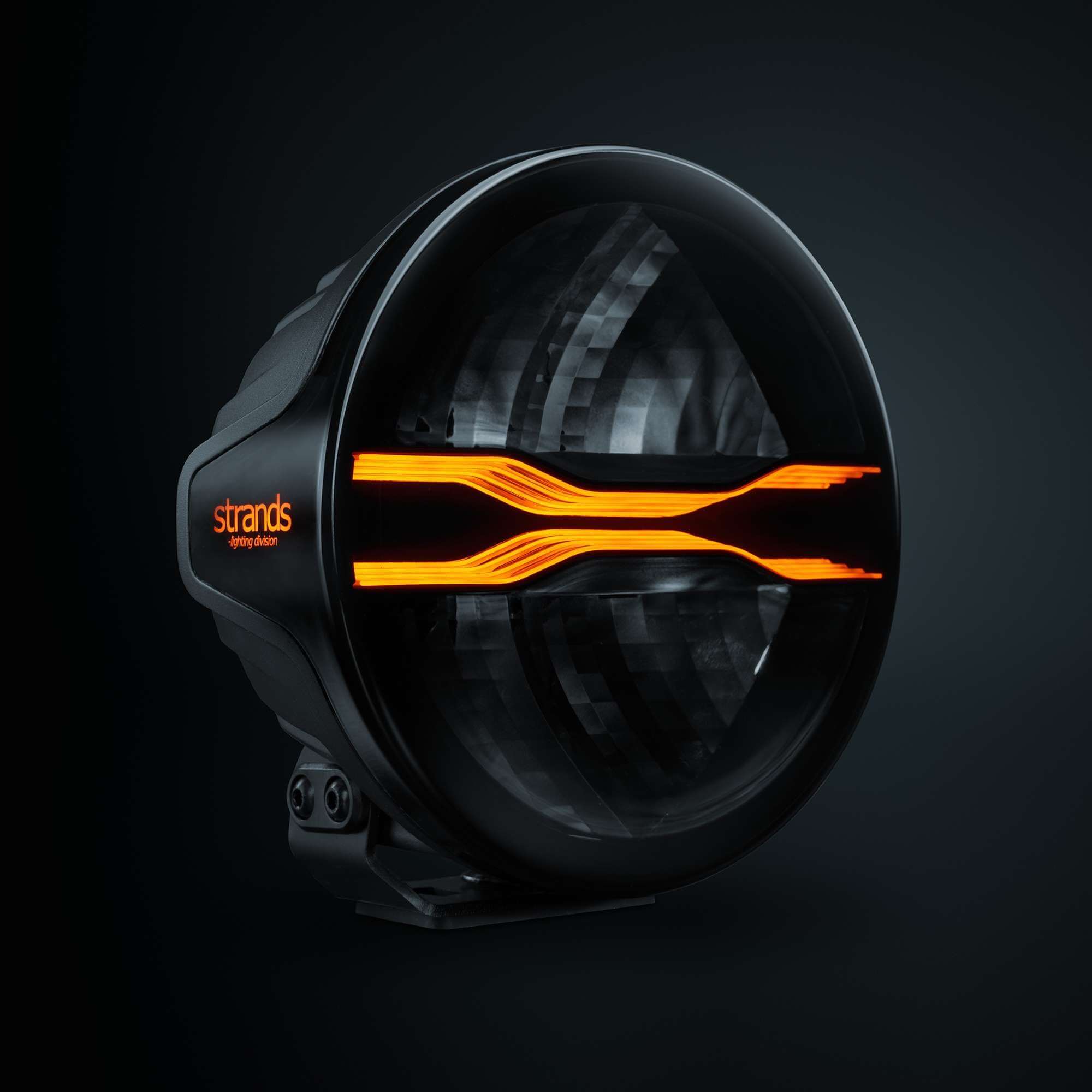
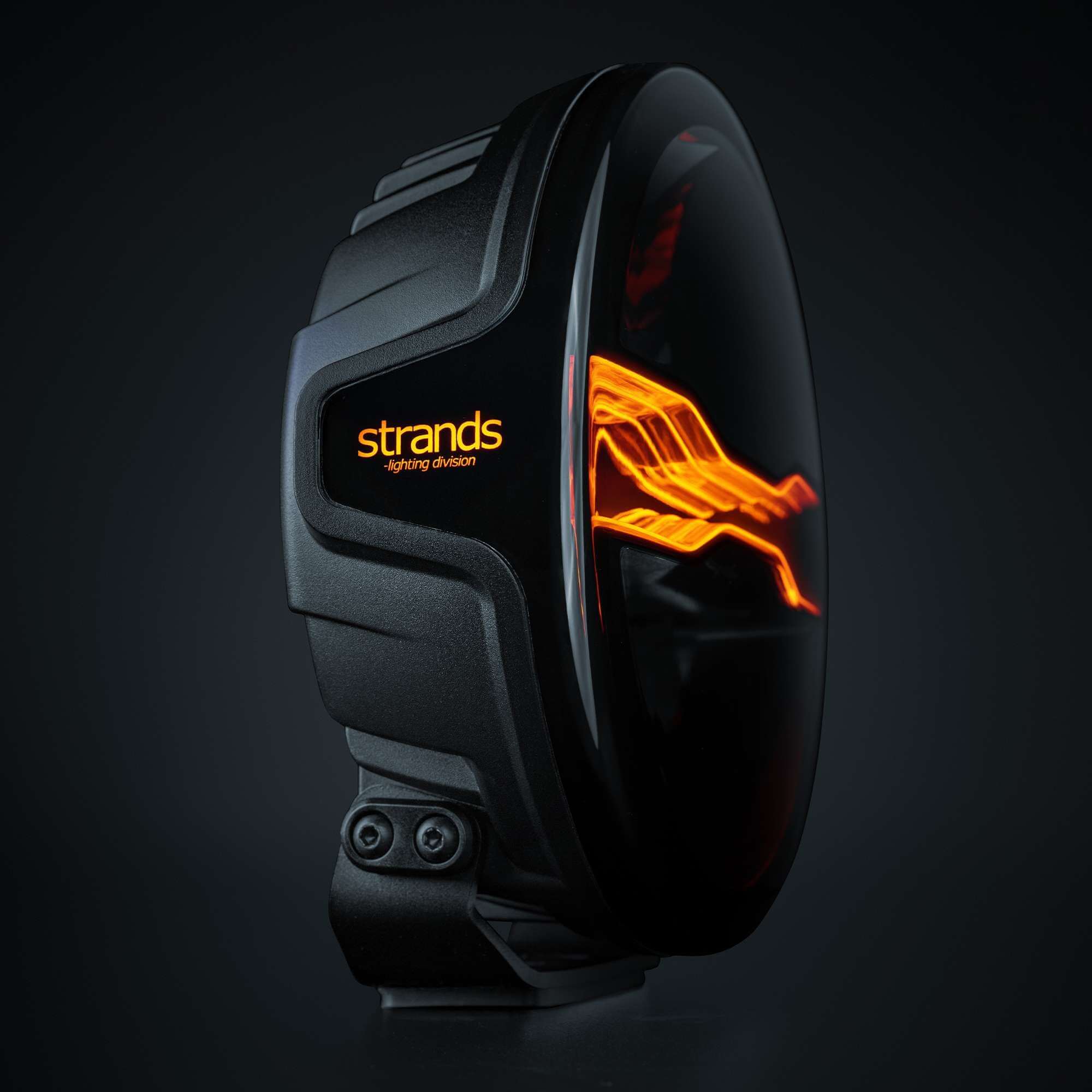
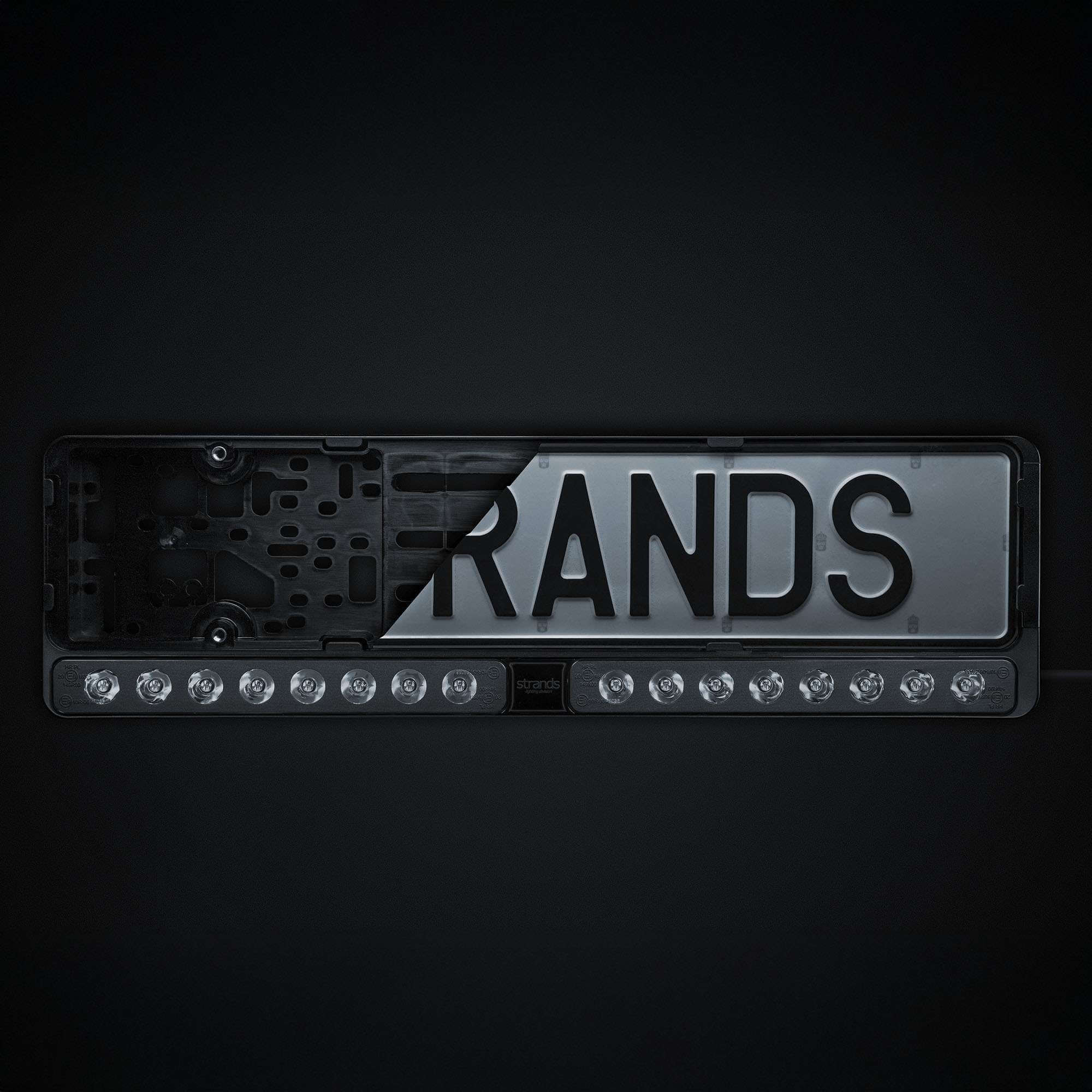
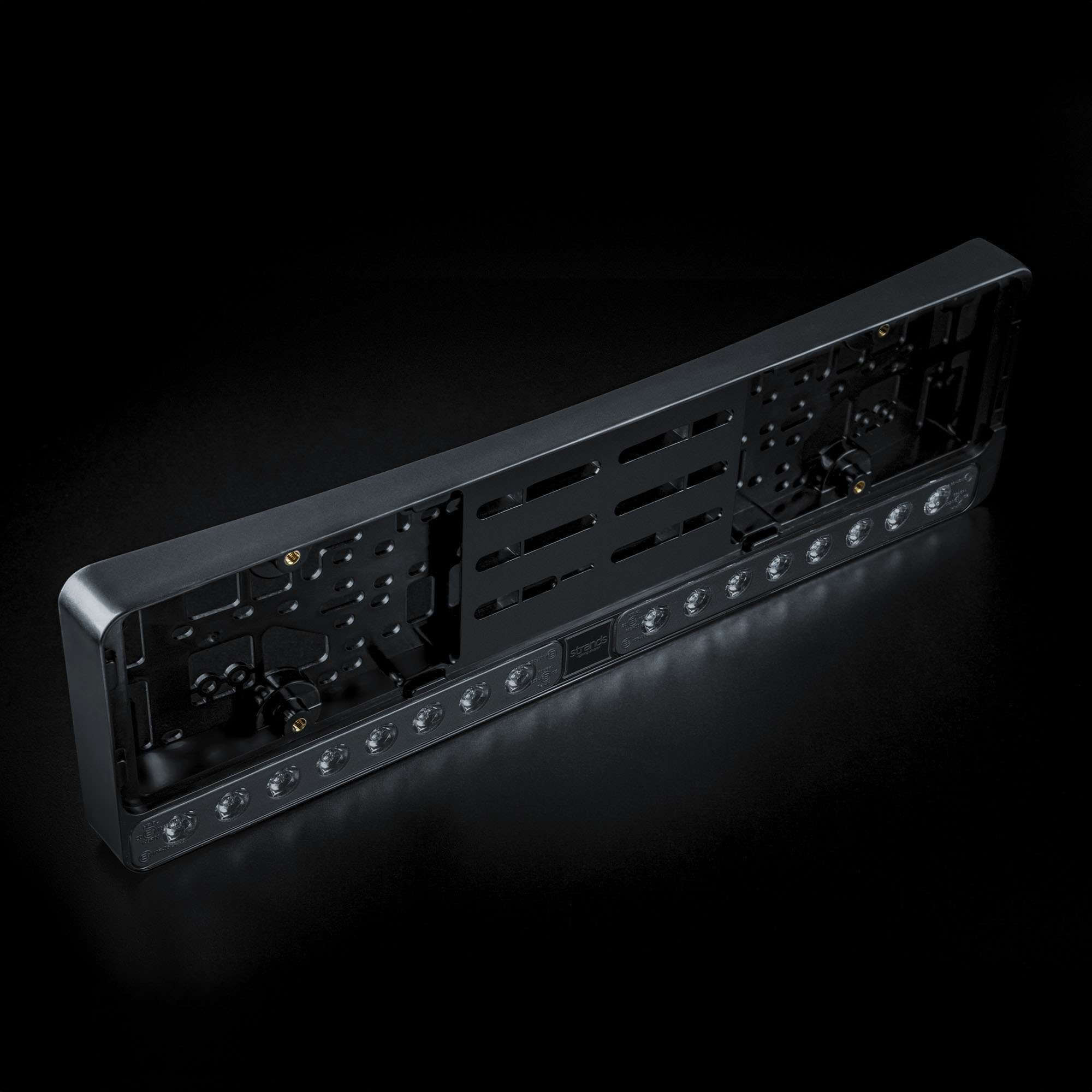
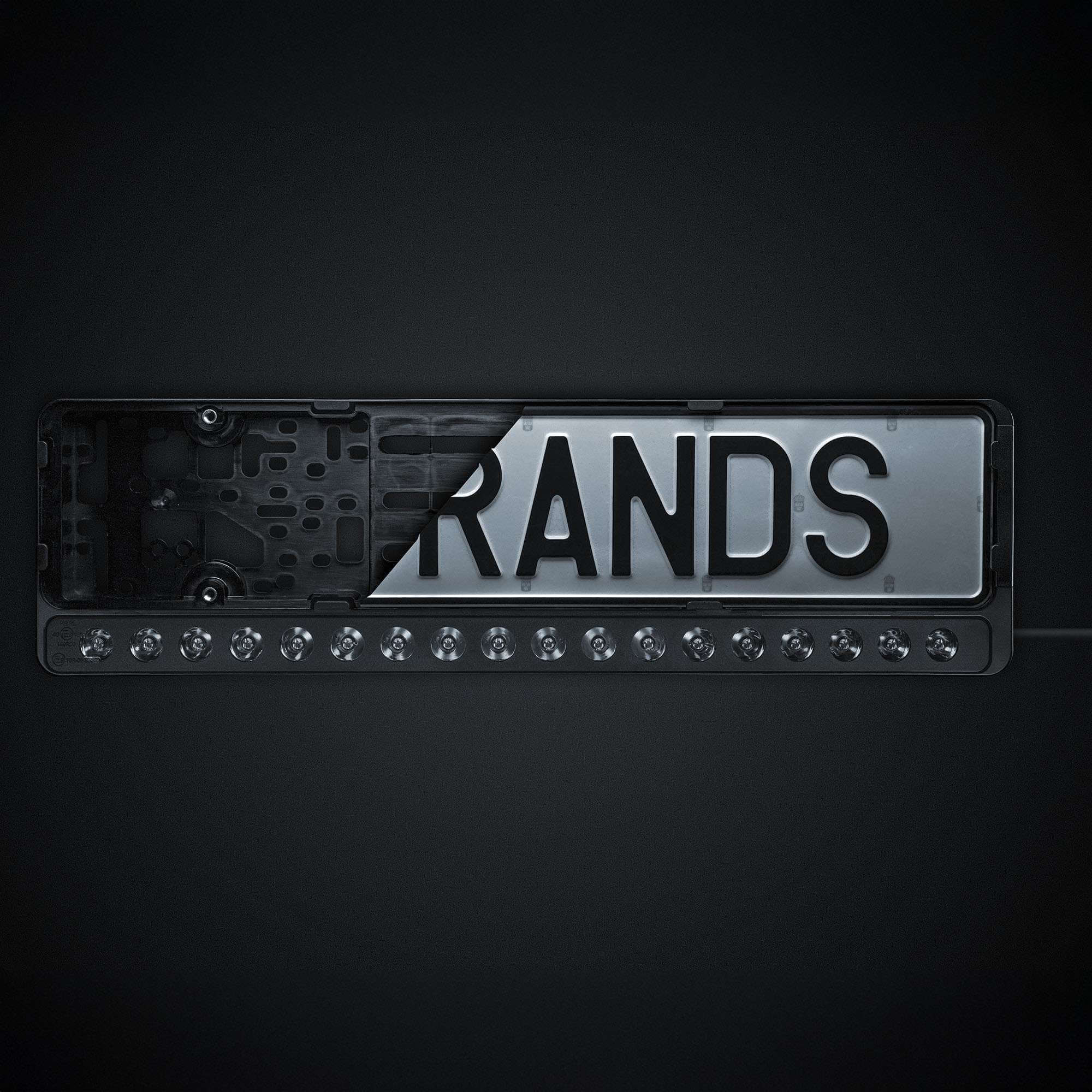
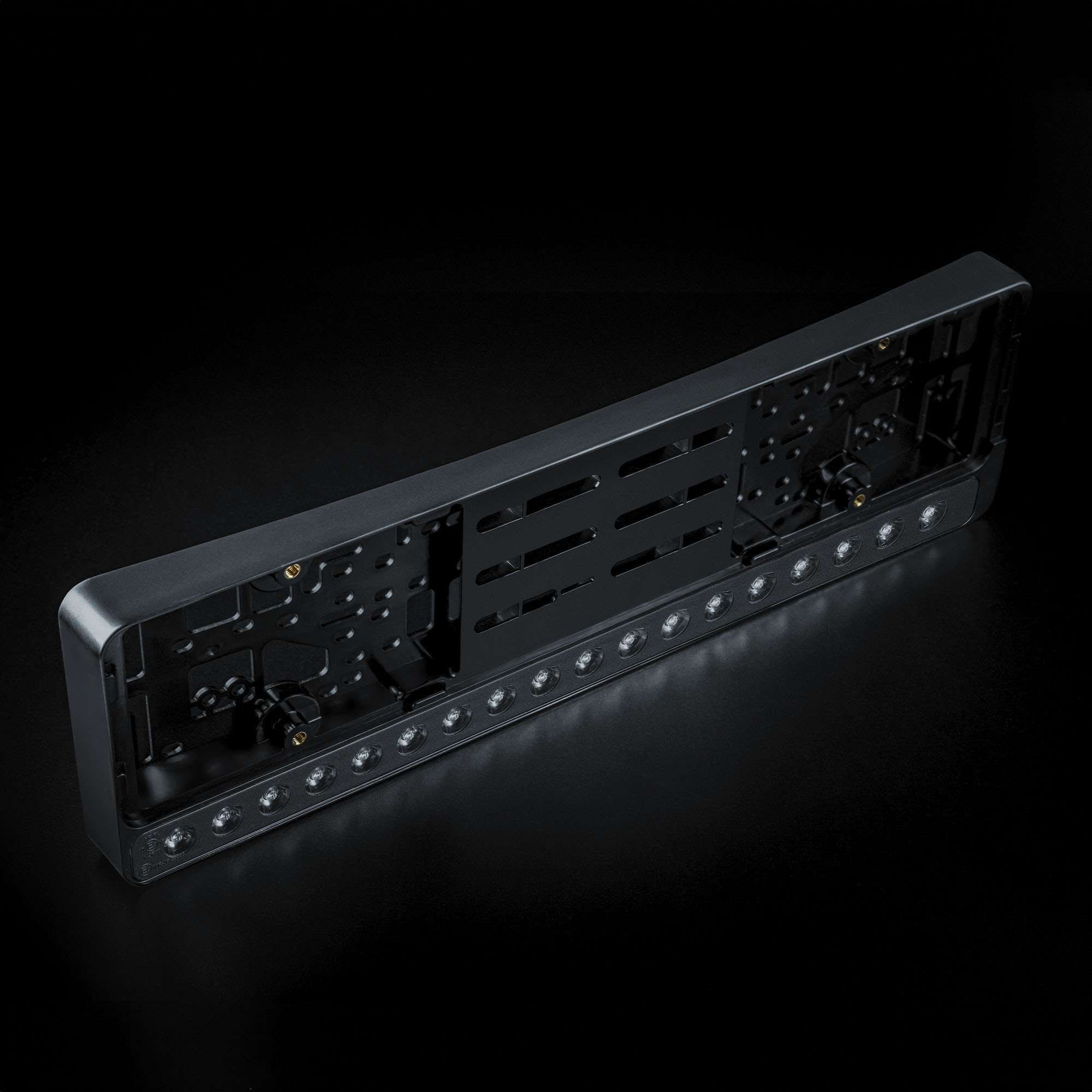
For light commercial vehicles or cars, 7-inch driving lights or LED bars are often a good choice. Many slim LED bars optically match almost any vehicle and can be flexibly mounted. The Nuuk E-Line, for example, is particularly easy to install as it is integrated into a license plate holder.
The beam pattern also plays an important role. There are variants with maximum range, wider beam patterns with shorter range, and combinations of both.
For light commercial vehicles, complete LED bar kits are available in the model-specific range. Additionally, model-specific solutions with warning light bars and roof racks are available.


Find your dealer
Would you like to see our products in person or get some personal advice? Find your nearest retailer here.